

If you’ve been brewing Chinese tea in a regular mug and feel like you’re missing out on the full flavor, aroma and wellness benefits, upgrading to a gaiwan is the single best first step you can take. As the classic gongfu tea vessel used in China for centuries, a gaiwan lets you control steep time precisely, extract layered flavors, and re-steep leaves multiple times — something no mug or mesh infuser can match.
But with so many sizes, materials and price points available, finding the best gaiwan for Chinese tea as a new drinker can feel overwhelming. Cheap, poorly made gaiwans are too hot to hold, chip easily and ruin the brewing experience, while expensive premium options often come with niche features beginners don’t need.
In this guide, we break down exactly what to look for in a high-quality gaiwan, compare the most popular materials, and rank the 5 top options across beginner-friendly and premium price ranges. Whether you’re brewing light oolongs, ripe pu-erh or black tea, there’s a pick here for every budget and skill level.
一、Why a Gaiwan Is the Best Vessel for Brewing Authentic Chinese Tea
A well-made gaiwan is the most versatile tool you can own for Chinese tea, and it outperforms mugs, infusers and even most teapots for whole-leaf brewing.
1.1 Zero Flavor Absorption for Pure Taste
High-fired porcelain gaiwans are completely non-porous, so they never absorb tea flavors or aromas. This means you can brew oolong, pu-erh, green tea and white tea in the same gaiwan without cross-contamination — a huge advantage over porous clay teapots.
Whether you’re brewing the roasted Tieguanyin from our oolong weight loss guide or a 7572 ripe pu-erh for digestion, you’ll get pure, unaltered flavor every time.
1.2 Precise Steep Control for Layered Flavor
Gaiwan brewing uses short, repeated infusions, usually 10–30 seconds each. This lets you dial in flavor perfectly and extract every layer of taste from high-quality loose-leaf tea. It’s also the best way to experience the full re-steeping value of authentic Chinese tea.
1.3 Easy to Clean & Low Maintenance
Unlike clay teapots that require seasoning and special long-term care, a porcelain gaiwan just needs a quick rinse with hot water after use. No soap, no conditioning, no complicated upkeep — perfect for daily casual use.
1.4 Works for Every Tea Category
From delicate silver needle white tea to aged ripe pu-erh, a standard gaiwan works for all six Chinese tea categories. This makes it the most versatile brewing tool you can buy, especially for beginners still exploring different varieties.
If you’re just starting to explore different tea types, pair your new gaiwan with our top picks for the best Chinese tea for beginners.
二、How to Choose the Best Gaiwan for Chinese Tea
Use these 4 criteria to pick a gaiwan that matches your skill level, budget and preferred teas.
2.1 Pick the Right Size
Size is the most important factor for new users. Too big and it’s hard to hold without burning your fingers; too small and you’ll barely get one sip per steep.
- 100–120ml: The best gaiwan size for beginners. It’s small enough to handle comfortably, large enough to share one or two cups, and works for all tea types.
- 80–90ml: Compact size for solo drinking, popular with experienced gongfu brewers. Not recommended for total beginners.
- 150ml+: Larger size for groups or people who prefer bigger servings. Harder to handle for new users.
2.2 Choose Your Material
The three most common gaiwan materials each have distinct pros and cons:
- White Porcelain: The classic choice, and the best porcelain gaiwan for beginners. Non-porous, neutral flavor, easy to clean, affordable. Shows off tea liquor color perfectly for judging strength.
- Borosilicate Glass: Great for beginners who want to watch leaves unfurl and track liquor color. Heat-resistant, modern look, slightly easier to hold without burning. Less traditional but highly functional.
- Clay / Purple Sand: Porous material that absorbs tea flavors over time, similar to a Yixing teapot. Best for dedicated use with one tea category (like pu-erh or roasted oolong). Not recommended for beginners who want one versatile gaiwan.
2.3 Look for These Beginner-Friendly Features
- Wide flared rim: Keeps heat away from your fingers so you don’t burn yourself
- Thin, even walls: Heat up evenly and cool down quickly for consistent brewing
- Flat, stable base: Won’t tip over easily on your tea tray or desk
2.4 Set Your Budget
- Beginner: $10–$30 for a solid, well-made porcelain or glass gaiwan
- Mid-range: $30–$80 for thinner, higher quality porcelain with simple hand-finished details
- Premium: $80+ for handmade, hand-painted or collector-grade gaiwans
三、Top 5 Best Gaiwans for Chinese Tea (Beginner & Premium Picks)
These picks are ranked by build quality, ease of use, value and suitability for daily Chinese tea brewing. Every option on this list is widely available from trusted specialty tea and tableware sellers.
Beginner-Friendly Picks (Under $30)
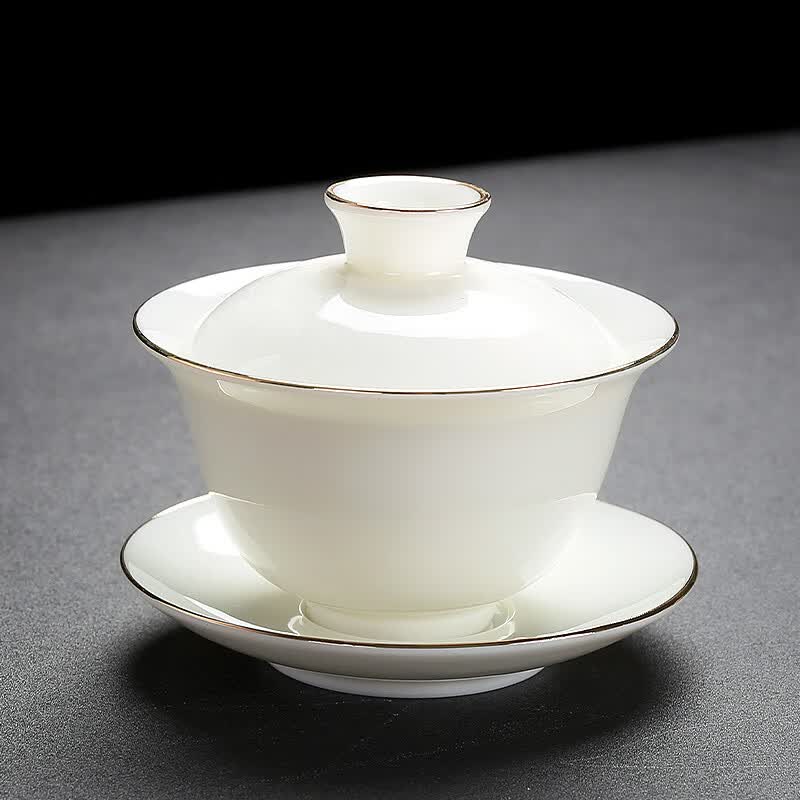
3.1 Best Overall Beginner Gaiwan: 120ml Classic White Porcelain Gaiwan
This is our top pick for the best gaiwan for Chinese tea for total beginners. The standard 120ml size is perfect for learning gongfu brewing, and plain white porcelain delivers completely neutral flavor so you taste exactly what the tea has to offer.
It has a wide flared rim that stays cool enough to hold even with boiling water, and the thick, stable base prevents tipping. It’s also extremely durable for daily use and easy to replace if broken.
- Material: High-fired food-grade white porcelain
- Capacity: 120ml
- Best for: Total beginners, all-purpose daily use, all tea types
- Value: Excellent — the industry standard workhorse gaiwan at a bargain price
- Buyer tip: Start with a plain unadorned design; you can upgrade to decorative hand-painted styles later once you know your preferences
3.2 Best Budget Pick: 100ml Plain Ceramic Gaiwan
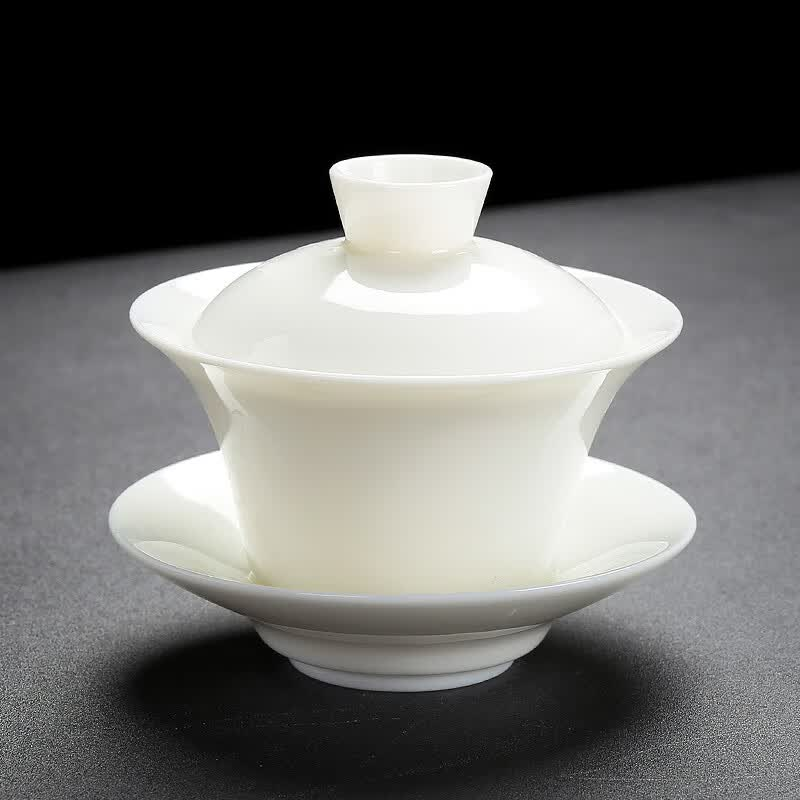
If you’re just testing gongfu brewing and don’t want to spend much, this 100ml ceramic gaiwan is the best budget gaiwan for Chinese tea. It’s slightly smaller than the 120ml standard, which makes it even easier to hold for people with smaller hands.
It’s not as thin or refined as more expensive options, but it works perfectly well and is very chip-resistant. It’s also a great spare gaiwan to keep at the office or pack for travel.
- Material: Durable stoneware ceramic
- Capacity: 100ml
- Best for: Budget beginners, office use, travel
- Value: Outstanding — functional quality at the lowest accessible price point
3.3 Best for Visual Brewing: Heat-Resistant Borosilicate Glass Gaiwan
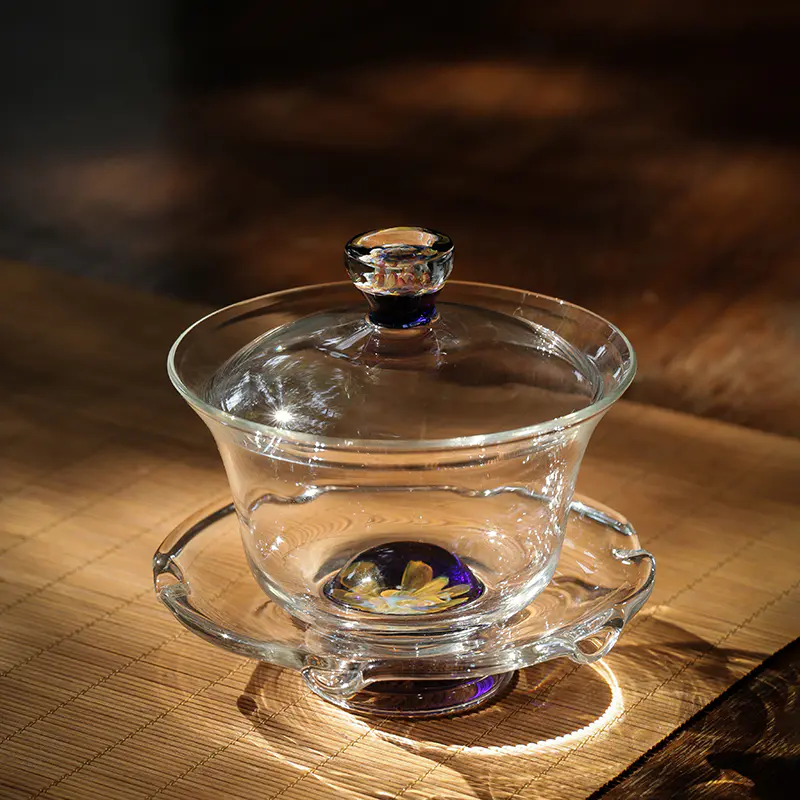
If you want to watch tea leaves unfurl and see the exact color of the liquor as you learn, this is the best glass gaiwan for Chinese tea. Made from food-grade borosilicate glass, it’s heat-safe for boiling water and much less likely to crack than regular glass.
The glass stays slightly cooler than porcelain, making it easier for beginners to hold without burning their fingers. It’s also very easy to clean and shows off the beauty of whole-leaf tea perfectly.
- Material: Food-grade borosilicate glass
- Capacity: 120ml
- Best for: Beginners learning brewing technique, visual brewing, green and white teas
- Value: Very good — functional and forgiving at a moderate price
Premium Picks ($50+)
3.4 Best Premium Handmade Gaiwan: Jingdezhen Thin-Bodied Porcelain Gaiwan
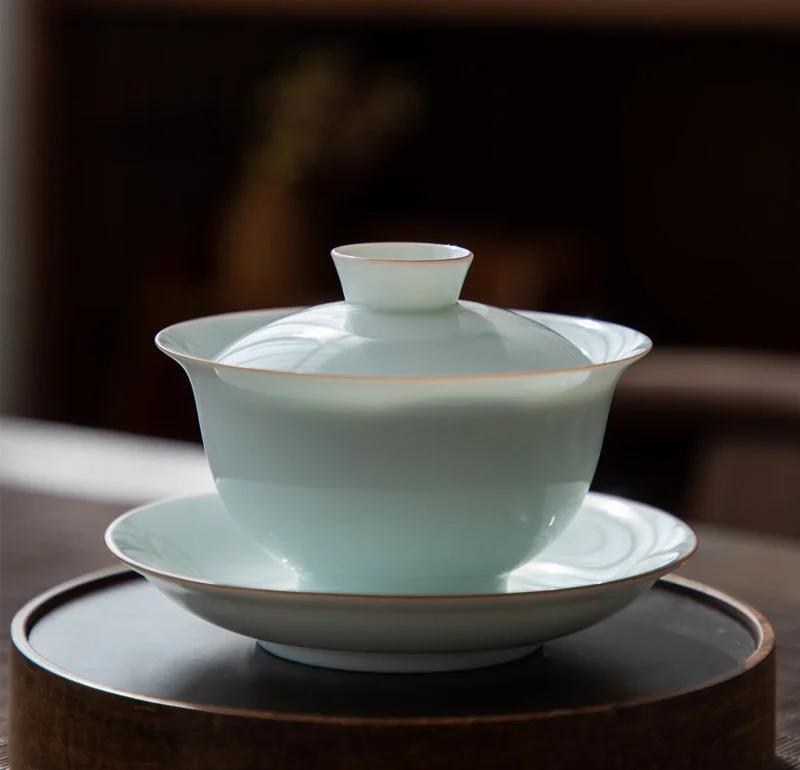
For tea lovers ready to upgrade their daily setup, this Jingdezhen handmade piece is the best premium gaiwan for Chinese tea. Made in the famous porcelain capital of China, it’s hand-thrown and high-fired for an ultra-thin, lightweight body that heats and cools instantly for precise brewing.
The thin walls transfer heat quickly for accurate steep timing, and subtle hand-painted details make it a beautiful display piece as well as a functional daily tool. It’s the kind of gaiwan you’ll use every day for years.
- Material: Handmade Jingdezhen high-fired porcelain
- Capacity: 110ml
- Best for: Enthusiasts upgrading from beginner gear, daily gongfu brewing
- Value: Very good for a handmade piece — comparable quality sells for twice as much at boutique tea shops
3.5 Best for Fermented Teas: Chaozhou Clay Gaiwan
If you drink mostly pu-erh or heavily roasted oolong and want a gaiwan that enhances deep, rich flavors, this Chaozhou clay gaiwan is the best gaiwan for pu-erh tea and roasted oolong varieties. The porous clay softens harsh edges and rounds out flavor depth, similar to a Yixing teapot but with the versatility of a gaiwan.
It’s best dedicated to one category of tea to avoid flavor cross-contamination, making it a great second gaiwan for people who already own a basic porcelain model.
- Material: Chaozhou zhu ni red clay
- Capacity: 110ml
- Best for: Pu-erh and roasted oolong lovers, enthusiasts with dedicated brewing setups
- Value: Good for specialty use — a meaningful step up from basic porcelain
Pair it with our top ripe pu-erh picks for digestion to get the smoothest, most rounded flavor from every steep.
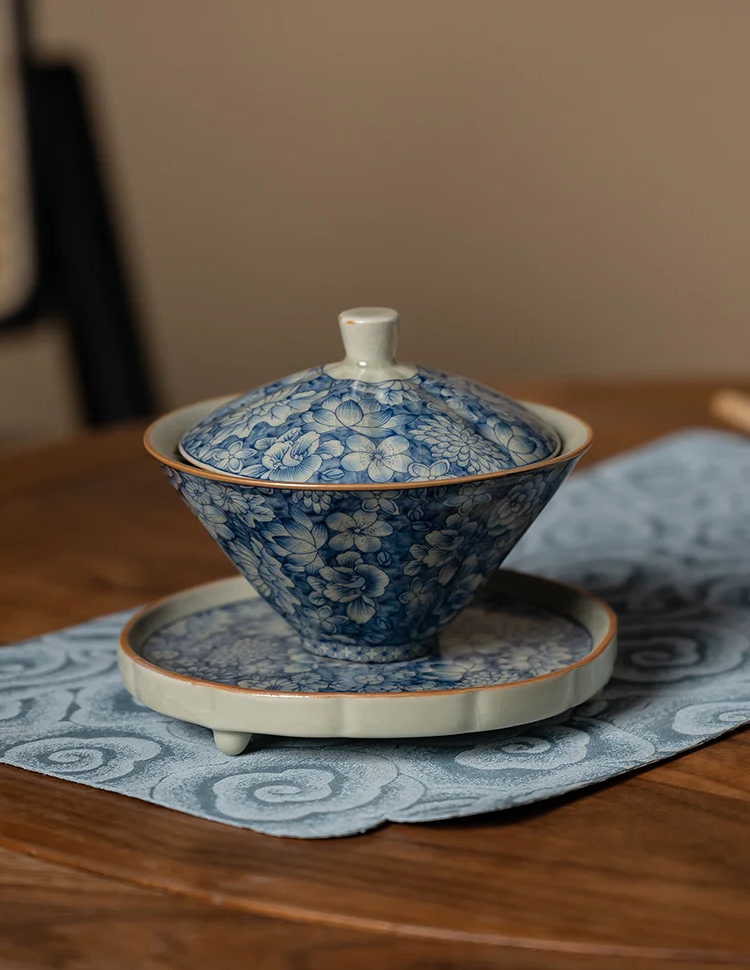
Quick Comparison Table
| Best Gaiwan for Chinese Tea Pick | Material | Capacity | Best For | Price Range | Value Rating |
| Classic White Porcelain Gaiwan | High-fired porcelain | 120ml | Total beginners, all-purpose | $15–$25 | ⭐⭐⭐⭐⭐ |
| Plain Ceramic Budget Gaiwan | Stoneware ceramic | 100ml | Budget buyers, office/travel | $10–$15 | ⭐⭐⭐⭐⭐ |
| Borosilicate Glass Gaiwan | Food-grade glass | 120ml | Visual brewing, new learners | $20–$30 | ⭐⭐⭐⭐ |
| Jingdezhen Handmade Porcelain | Thin handmade porcelain | 110ml | Enthusiast upgrade, daily use | $60–$90 | ⭐⭐⭐⭐ |
| Chaozhou Clay Gaiwan | Zhu ni red clay | 110ml | Pu-erh / roasted oolong | $50–$75 | ⭐⭐⭐⭐ |
四、Beginner Tips for Using Your New Gaiwan
You don’t need years of experience to brew great tea with a gaiwan. Follow these simple tips to get comfortable quickly.
4.1 Master the Basic Grip
Hold the flared rim between your thumb and middle finger, rest your index finger lightly on the lid knob. Tilt the lid slightly to create a narrow gap for pouring, keeping it held firmly in place with your index finger. Most people get comfortable with the grip after 2–3 practice pours.
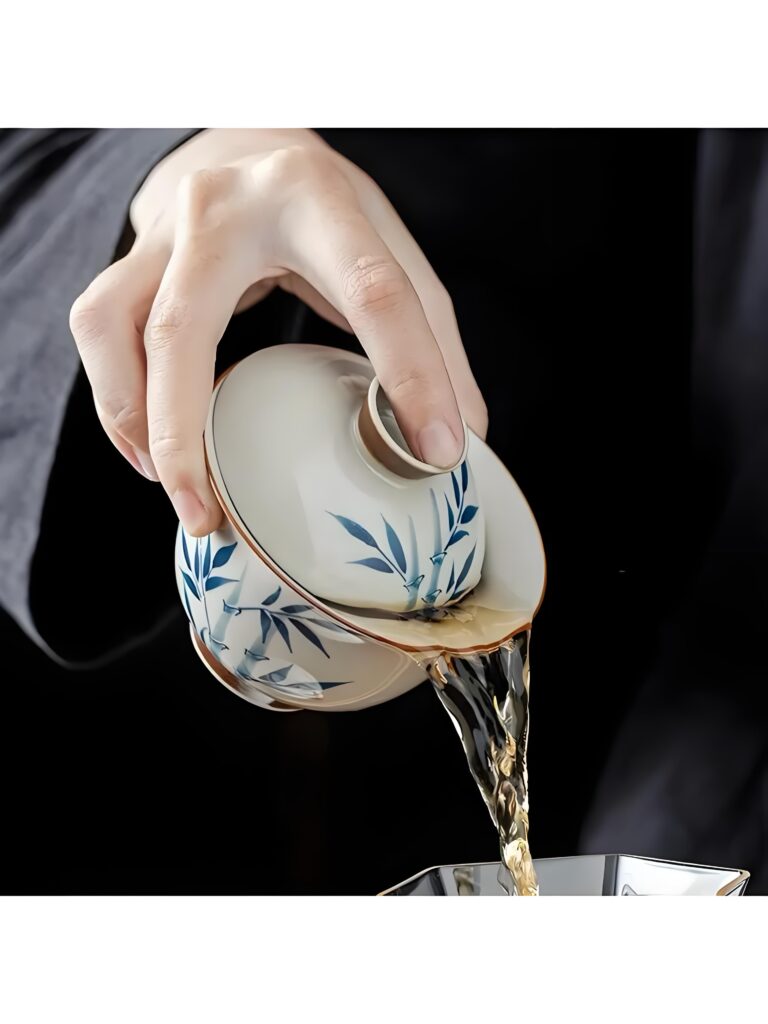
4.2 Start With Short Steeps
Most Chinese teas start with a 10–30 second first infusion, adding 5–10 seconds per subsequent steep. It’s always better to under-steep and add time than to over-steep and get bitter tea.
4.3 Always Warm the Gaiwan First
Pour hot water into the empty gaiwan to warm it up before adding tea leaves. This ensures consistent water temperature for every infusion and brings out more aroma from the leaves.
4.4 Rinse Compressed Teas First
For pu-erh cakes and tightly rolled oolongs, do a quick 5-second rinse and discard the water before your first real steep. This awakens the leaves and removes any surface dust.
For step-by-step brewing instructions by tea type, check out our complete guides on how to brew oolong tea and how to brew pu-erh tea properly.
Myth vs. Fact
Myth: The more expensive the gaiwan, the better your tea will taste.
Fact: Material matters far more than price. A $15 basic white porcelain gaiwan will brew tea just as well as a $100 handmade one for most people. Premium gaiwans offer thinner walls, finer craftsmanship and aesthetic appeal, but they don’t magically improve flavor — brewing technique matters far more.
Myth: Gaiwans are always too hot to hold for beginners.
Fact: A well-made gaiwan with a wide flared rim stays cool enough to hold comfortably, even with boiling water. Most beginners who struggle are using a poorly designed gaiwan or holding it incorrectly. With the right grip, even total beginners can use a gaiwan safely after 2–3 tries.
Myth: You need a different gaiwan for every type of tea.
Fact: This is only true for porous clay gaiwans. A white porcelain gaiwan is completely non-porous and works perfectly for every tea category with zero flavor transfer. For beginners, one good porcelain gaiwan is all you need.
FAQ
Q1: What size gaiwan is best for Chinese tea for beginners?
For most beginners, a 120ml gaiwan is the best size. It’s large enough to get a decent serving per steep, small enough to hold comfortably without burning, and works perfectly for every type of Chinese tea. People with smaller hands may prefer a 100ml size for even easier handling.
Q2: What is the best material for a gaiwan for everyday use?
White porcelain is the best material for everyday use and the top choice for most beginners. It’s completely non-porous, delivers neutral flavor, works for all tea types, is easy to clean and very affordable. Glass is a good second choice for people who prefer visual brewing.
Q3: Can I use one gaiwan for all types of Chinese tea?
Yes, if you have a porcelain or glass gaiwan. Both materials are non-porous and will not absorb tea flavors, so you can brew green tea, oolong, black tea and pu-erh in the same gaiwan with no cross-contamination. Porous clay gaiwans should be dedicated to one tea category.
Q4: How much should I spend on my first gaiwan?
For your first gaiwan, $15–$30 is the ideal budget. This price range gets you a well-made, durable 120ml white porcelain gaiwan that will work perfectly for daily use. There’s no need to spend more until you’ve mastered basic brewing technique and know what features you want in an upgrade.
Q5: Is a glass gaiwan as good as porcelain for brewing Chinese tea?
A glass gaiwan works just as well as porcelain for flavor extraction, and it has the added benefit of letting you watch the leaves unfurl. The main difference is heat retention — glass cools down slightly faster, which can be an advantage for delicate green and white teas but may require slightly longer steeps for dark fermented teas.