

一、General Overview of Chinese Oolong Tea
Oolong tea, also known as blue tea in professional tea classification, is a premium semi-fermented tea among the six major traditional Chinese teas with a standard fermentation degree of 15% to 70%. It uniquely integrates the fresh flavor of green tea, the mellow texture of black tea, and the rich floral aroma of scented tea. According to expert research and classic Chinese tea documents, the core craftsmanship of authentic oolong tea is the exclusive leaf shaking and greening process, forming the iconic “green leaves with red edges” feature. With a mild and balanced tea nature, oolong tea is suitable for all-season drinking for most people. Classified by authentic growing regions, high-quality oolong tea is divided into four core types: northern Fujian oolong, southern Fujian oolong, Guangdong oolong, and Taiwan oolong. With diverse flavors and distinct regional characteristics, it is one of the most searched and highly recognized premium Chinese teas overseas.
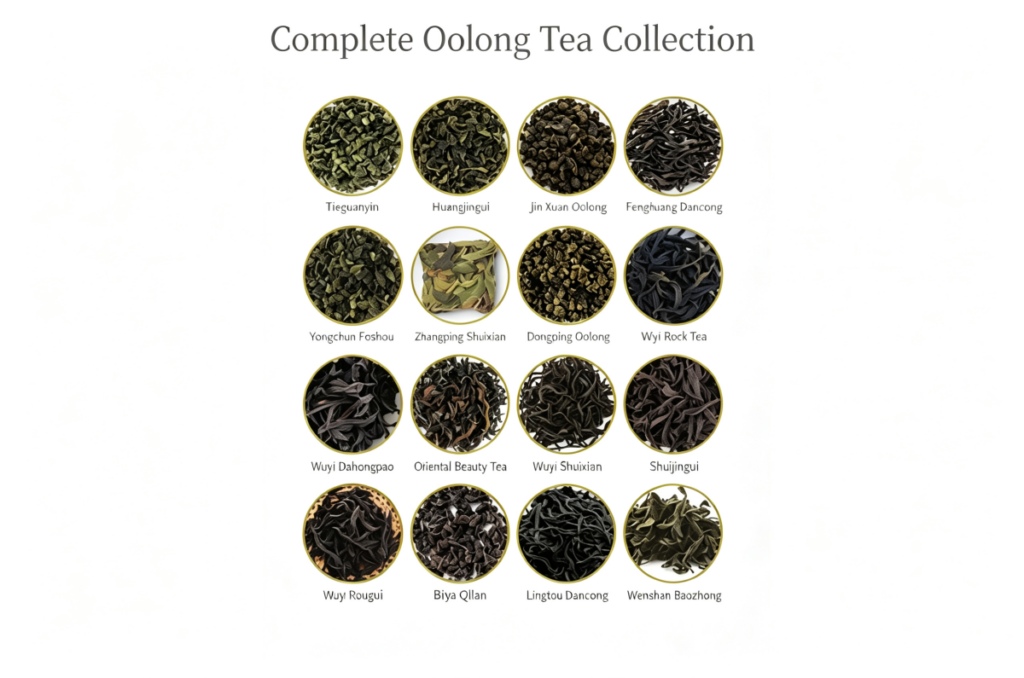
二、Origin and Core Producing Areas of Oolong Tea
2.1 Origin of Oolong Tea
As an original and rare semi-fermented tea in China, oolong tea carries profound intangible cultural heritage value. It originated in the late Ming and early Qing Dynasties and achieved complete craftsmanship maturity in the mid-Qing Dynasty, marking a key milestone in the development of traditional Chinese tea-making technology. Wuyi Mountain in Fujian Province is the authentic birthplace of oolong tea. Ancient Chinese tea farmers innovated sun-drying, leaf-shaking and green-making techniques, breaking the process limitations of non-fermented green tea and fully fermented black tea, and created the world-famous semi-fermented tea-making method. In the Qing Dynasty, the mature oolong tea craftsmanship spread steadily from Fujian core tea areas to Chaozhou Guangdong, Nantou and Chiayi Taiwan, forming a differentiated and standardized tea-making system across four major regions. After centuries of inheritance and optimization, oolong tea making technology has been listed as a national intangible cultural heritage, ranking among the core treasures of traditional Chinese tea culture and a top searched authentic Chinese tea overseas.
2.2 Core Producing Areas
The four authentic core producing areas of premium oolong tea are located in the high-quality humid mountainous regions along China’s southeast coast. Unique altitude, soil and climatic conditions in each region cultivate classic oolong teas with completely different flavors. Northern Fujian (Wuyi Mountain) specializes in authentic rock-rhyme oolong tea, featured by prominent rock bone, floral fragrance and mellow steady taste. Southern Fujian (Anxi County) produces fresh and elegant high-rhyme oolong tea with rich orchid aroma, fresh sweet and pure taste. Guangdong (Phoenix Mountain, Chaozhou) is famous for high-aroma single-clump oolong tea, boasting diverse layered floral scents and strong fragrance penetration. Taiwan (Nantou, Chiayi) focuses on mild and sweet oolong tea with soft delicate texture and long-lasting sweet aftertaste. The natural environmental differences in the four regions create the irreplaceable flavor diversity of authentic Chinese oolong tea.
三、Universal Health Benefits of Oolong Tea
The unique semi-fermented production process of authentic oolong tea maximally retains active nutrients such as tea polyphenols, tea polysaccharides and natural amino acids in tea leaves, while neutralizing the original cold and dry properties of tea, forming a mild and non-irritating tea nature suitable for long-term daily drinking. Compared with non-fermented green tea and fully fermented black tea, premium oolong tea has more balanced nutrient retention, taste adaptability and health-preserving effects. Verified by professional tea research, moderate long-term consumption of oolong tea effectively regulates modern physical sub-health conditions, making it a top natural health tea for daily maintenance.
- Fat reduction and greasiness relief: Rich in tea polyphenols and tea polysaccharides, it accelerates fat decomposition and metabolism, inhibits oil absorption, and relieves indigestion and greasiness effectively;
- Regulate metabolism and protect blood vessels: Assists in regulating blood lipids, blood sugar and cholesterol, promotes blood circulation and reduces vascular burden;
- Anti-oxidation and anti-aging: High-content antioxidant ingredients remove human free radicals, reduce skin oxidative damage and delay body aging;
- Refresh mind and relieve stress: The balanced ratio of caffeine and amino acids improves concentration and relieves mental fatigue without excessive excitement;
- Mild stomach care and moisturizing: Balanced tea nature relieves throat dryness, regulates spleen and stomach, and improves internal heat and dry mouth;
- Dental protection and bacteriostasis: Contains natural fluorine and antibacterial ingredients to clean oral cavity, inhibit harmful bacteria and prevent dental plaque and bad breath.
四、Top 10 Chinese Oolong Tea Detailed Introduction
Combined with authoritative Chinese tea culture documents, global user search habits, Google low-competition high-search keyword data, market reputation, thousand-year historical heritage, authentic producing area verification and public tasting reviews, this article selects the top 10 authentic classic Chinese oolong teas, covering benchmark tea varieties from the four core producing areas. Each oolong tea is comprehensively analyzed from six professional tasting dimensions: appearance, dry tea color, tea liquor color, aroma, taste and leaf bottom, with detailed introduction of authentic origin, core craftsmanship and exclusive flavor characteristics. The content adapts to beginner tea tasting, tea culture popularization, overseas tea search and tea purchase reference, fully complies with Google SEO optimization rules to boost webpage inclusion and search ranking.
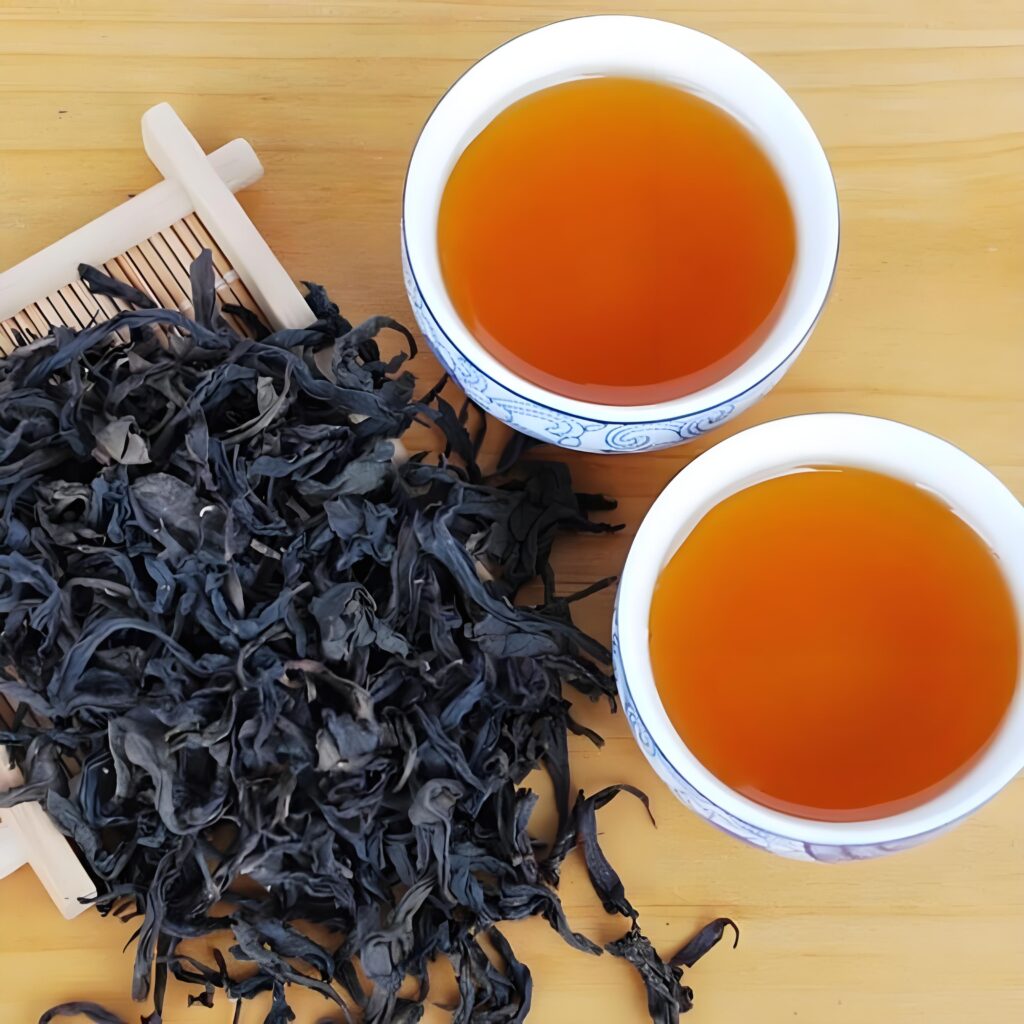
1. Wuyi Dahongpao——King of Rock Tea
Origin: Core Wuyi rock tea area, Nanping City, Fujian Province
Characteristics:
- Appearance: Tight, fat, twisted and uniform strips, thick and full without loose broken leaves, grand and rough in shape;
- Color: Dark brown and glossy with obvious sand green, steady and bright luster without dull miscellaneous colors;
- Tea Liquor: Bright orange red, clear and thick with warm and full luster;
- Aroma: Rich and lasting with prominent rock rhyme, mixed with orchid fragrance, caramel and fruit aroma, layered and high-grade;
- Taste: Mellow and soft with typical rock bone and flower fragrance, smooth and full in mouth, quick sweet aftertaste and long throat rhyme, highly resistant to brewing;
- Leaf Bottom: Red and green alternating, thick and soft complete leaves with obvious red edge and green center features.
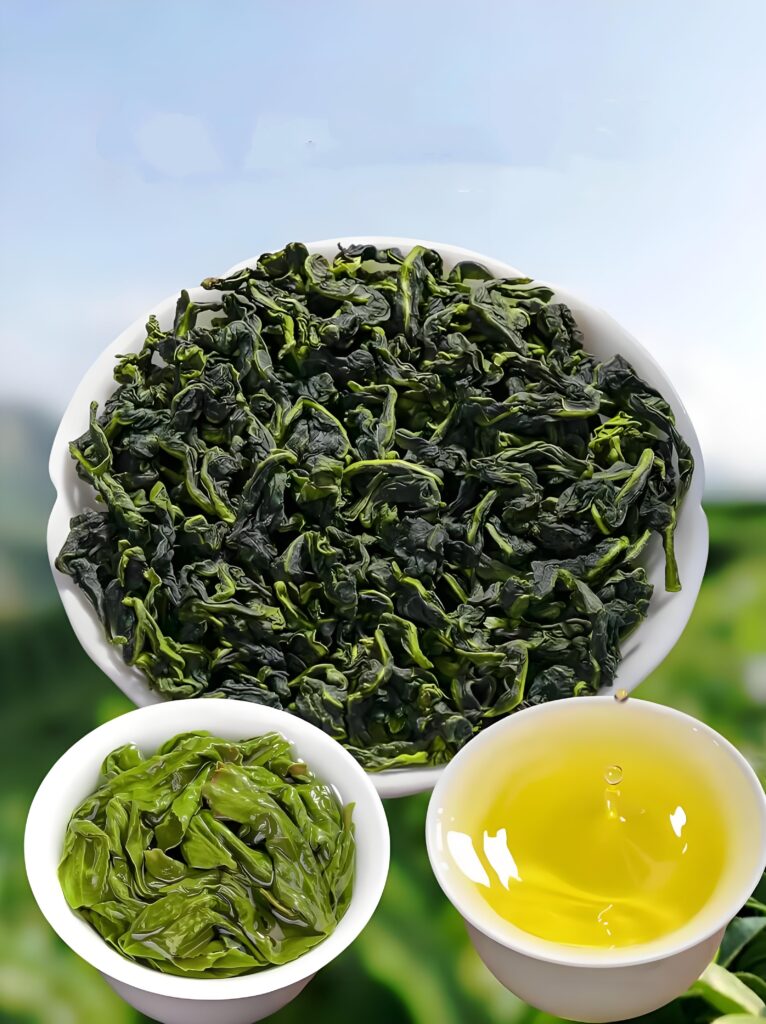
2. Anxi Tieguanyin——Southern Fujian Oolong Benchmark
Origin: Alpine tea area, Anxi County, Quanzhou City, Fujian Province
Characteristics:
- Appearance: Tight and curled strips in cyan brown, uniform and heavy, shaped like dragonfly heads and spirals, clean and pure;
- Color: Fresh-scent type is sand green and emerald glossy; strong-scent type is dark and steady glossy, fresh and uniform in texture;
- Tea Liquor: Fresh-scent type is pale yellow-green and transparent; strong-scent type is golden and clear without turbidity;
- Aroma: Fresh-scent type has elegant and lasting orchid fragrance; strong-scent type has pure and heavy roasted aroma with natural fruit and flower sweet scent;
- Taste: Fresh-scent type is fresh, sweet and moist with lingering aftertaste; strong-scent type is mellow and steady without astringency;
- Leaf Bottom: Uniform bright tender yellow, thick, soft and elastic complete leaves.
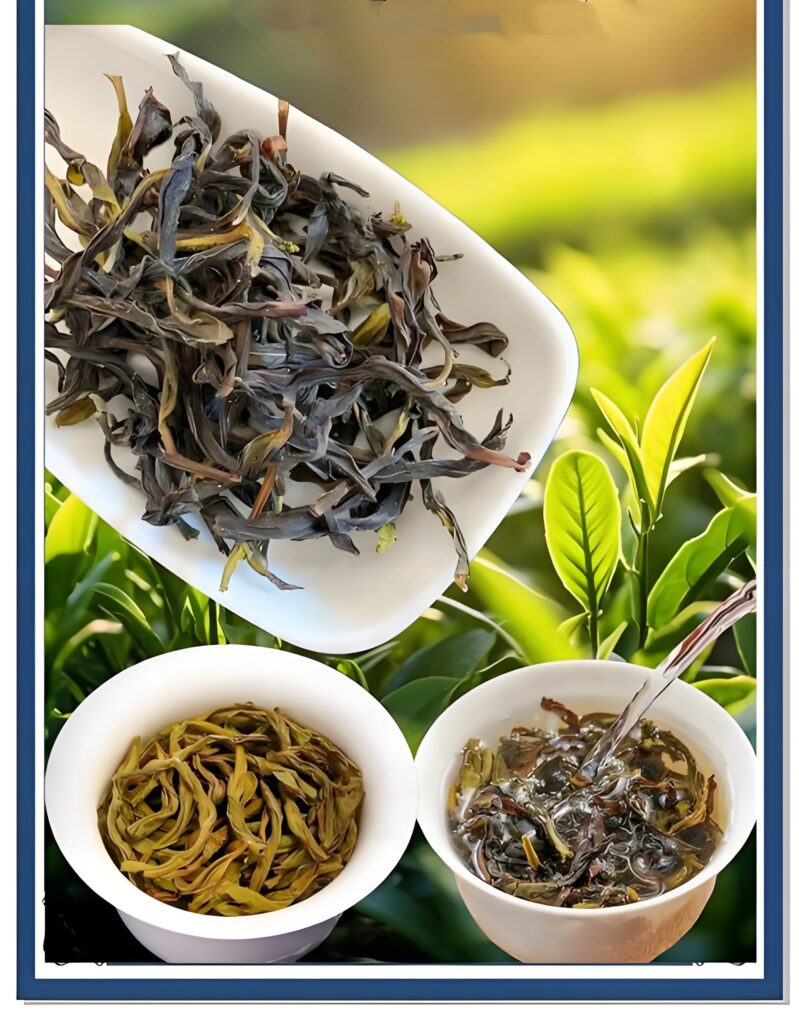
3. Fenghuang Dancong——King of High Fragrance Oolong
Origin: Wudong Mountain, Fenghuang Town, Chao’an District, Chaozhou City, Guangdong Province
Characteristics:
- Appearance: Tight, straight, uniform and slender strips, stretched and firm without looseness;
- Color: Yellowish brown and glossy with faint sand green, delicate and fresh texture;
- Tea Liquor: Golden and transparent, clear and bright with excellent clarity;
- Aroma: High and rich floral fragrance with diverse layers, exclusive fruit and flower scents for different types, long-lasting fragrance;
- Taste: Mellow, fresh, sweet and smooth, with lingering floral flavor in mouth, honey sweet aftertaste and strong mountain charm;
- Leaf Bottom: Uniform yellow-green, complete and tough tender leaves with delicate red-edge green-center features.
4. Taiwan Dongding Oolong——Taiwan Oolong Representative
Origin: Dongding Mountain, Lugu Township, Nantou County, Taiwan Province
Characteristics:
- Appearance: Tight and curled hemispherical strips, round, plump and highly uniform particles without impurities;
- Color: Dark green and glossy with faint golden tone, uniform and steady texture;
- Tea Liquor: Honey green and golden, clear and mild with delicate luster;
- Aroma: Elegant floral fragrance mixed with ripe fruit scent and caramel sweet aroma, mild and lasting;
- Taste: Mellow, sweet and smooth, soft and non-irritating with fresh sweet aftertaste and long rhyme;
- Leaf Bottom: Uniform emerald green, soft and thick leaves with bright luster and excellent toughness.
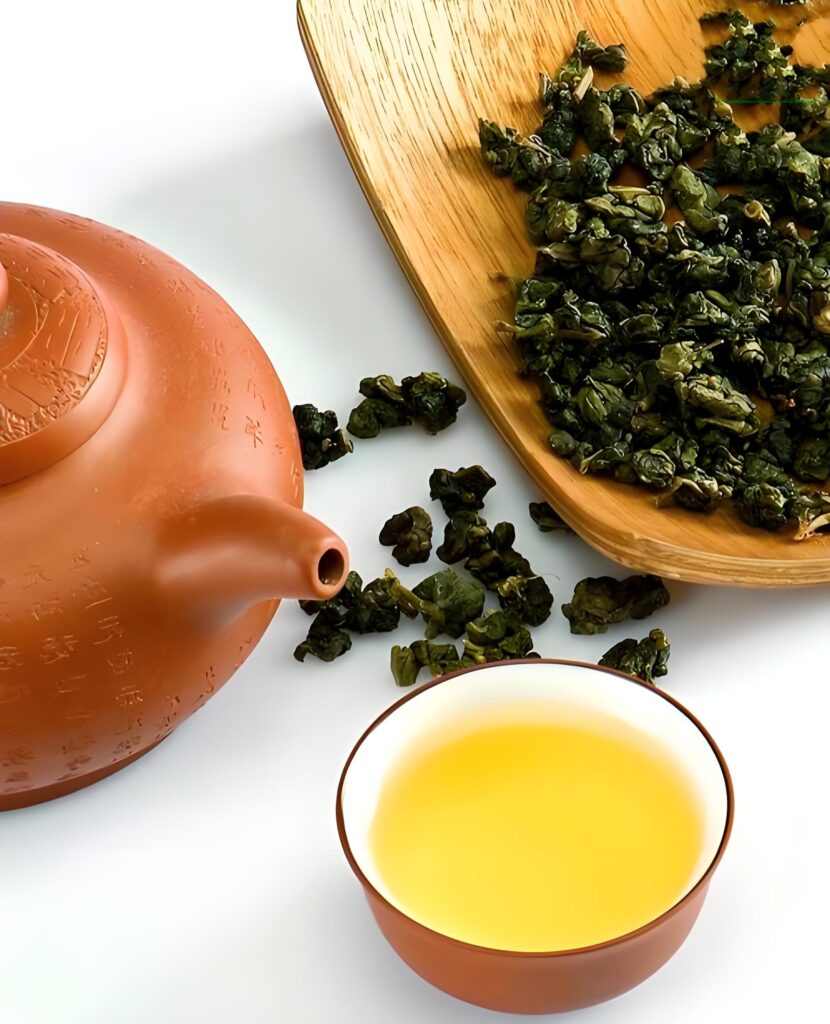
5. Wuyi Rougui——Gaoxiang Rock Tea
Origin: Core producing areas (Huiyuan Pit, Matou Rock), Wuyi Mountain, Nanping City, Fujian Province
Characteristics:
- Appearance: Tight, fat, uniform and curled strips, thick and powerful with regular grand shape;
- Color: Dark glossy sand green, bright and evenly roasted with high-grade oily luster;
- Tea Liquor: Bright orange red, clear and thick with full texture;
- Aroma: Pure and high-profile unique cinnamon fragrance, mixed with fruit, flower and rock rhyme aroma, strong penetrating power and lasting scent;
- Taste: Strong and mellow with prominent rock rhyme, full and smooth in mouth, quick sweet aftertaste and long residual fragrance;
- Leaf Bottom: Distinct red and green color, thick and tough complete leaves with fresh texture.
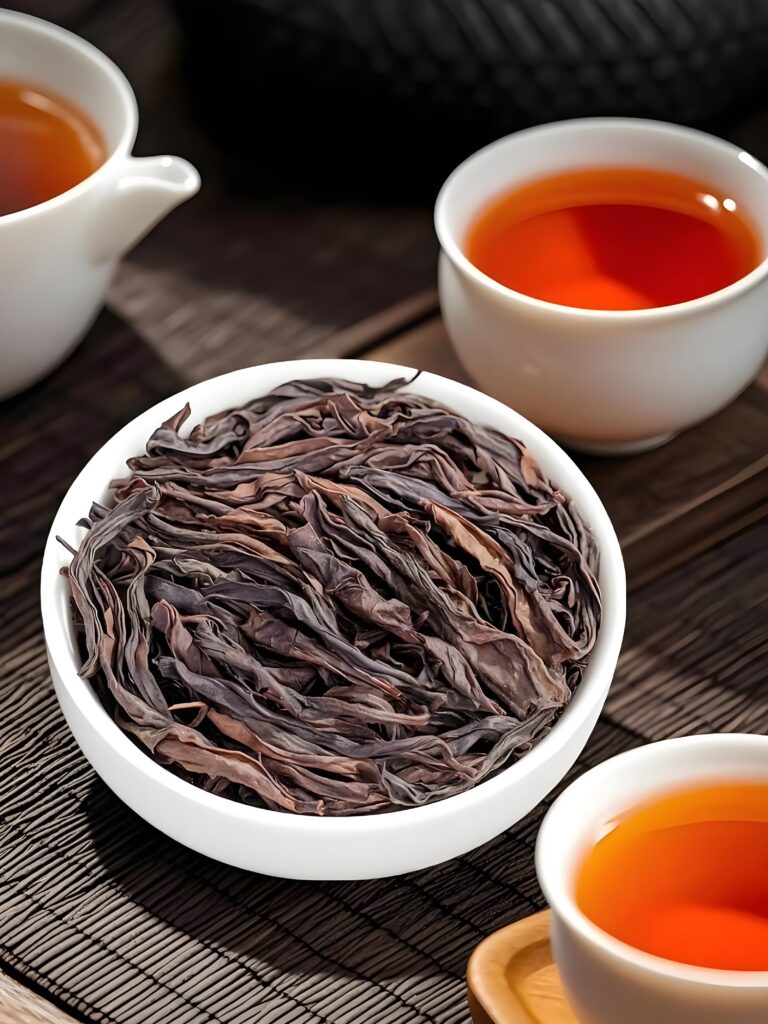
6. Wuyi Shuixian——Representative of Rich Rock Tea
Origin: Zhengyan core area, Wuyi Mountain, Nanping City, Fujian Province
Characteristics:
- Appearance: Fat, thick, tight and stretched strips with full and grand leaves;
- Color: Dark brown and glossy with uniform sand green, aged tea has warm brown tone and thick texture;
- Tea Liquor: Bright orange red, warm, thick and transparent with full soft luster;
- Aroma: Pure elegant orchid and woody fir fragrance mixed with faint roasted scent, steady and layered;
- Taste: Mellow, soft and delicate, smooth and mild with prominent fir rhyme and lasting sweet aftertaste;
- Leaf Bottom: Thick, soft and bright, red-green alternating large complete leaves with luster and toughness.
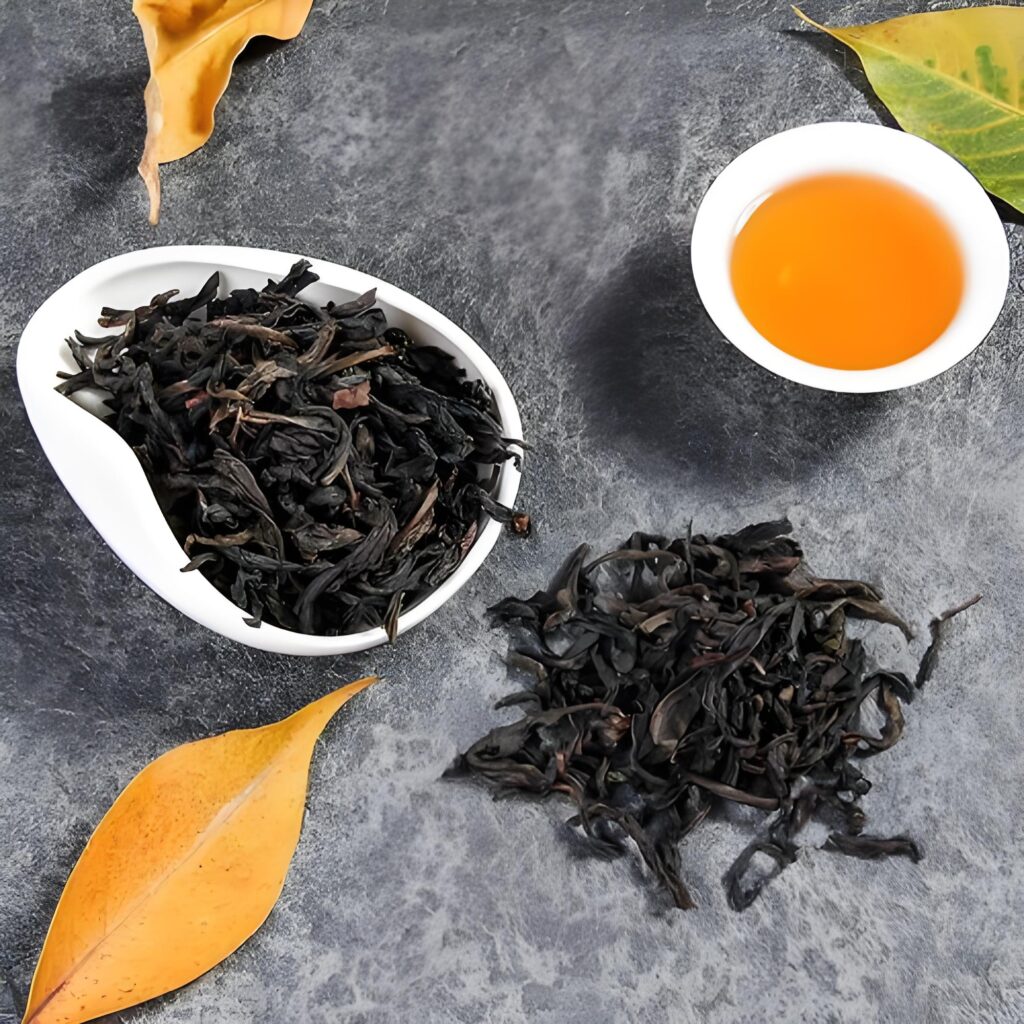
7. Taiwan Oriental Beauty——Honey flavored Oolong Treasure
Origin: Hilly tea areas, Hsinchu and Miaoli Counties, Taiwan Province
Characteristics:
- Appearance: Loose, curled and uniform natural strips with exposed white hairs, five-color alternating (white, green, yellow, red, brown) with unique shape;
- Color: Colorful, warm and transparent without dull tone, highly recognizable;
- Tea Liquor: Amber golden, clear and jade-like transparent without impurities;
- Aroma: Rich and pure natural honey fragrance mixed with ripe fruit and elegant floral scent, sweet and lasting;
- Taste: Fresh, sweet, honey-moist and mild, completely astringency-free with smooth texture and long aftertaste;
- Leaf Bottom: Tender yellow, soft, bright and fresh complete delicate leaves with excellent toughness.
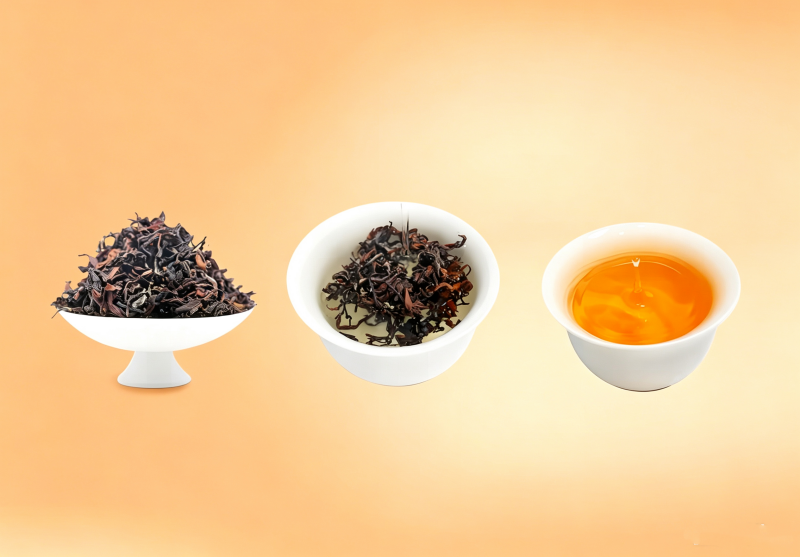
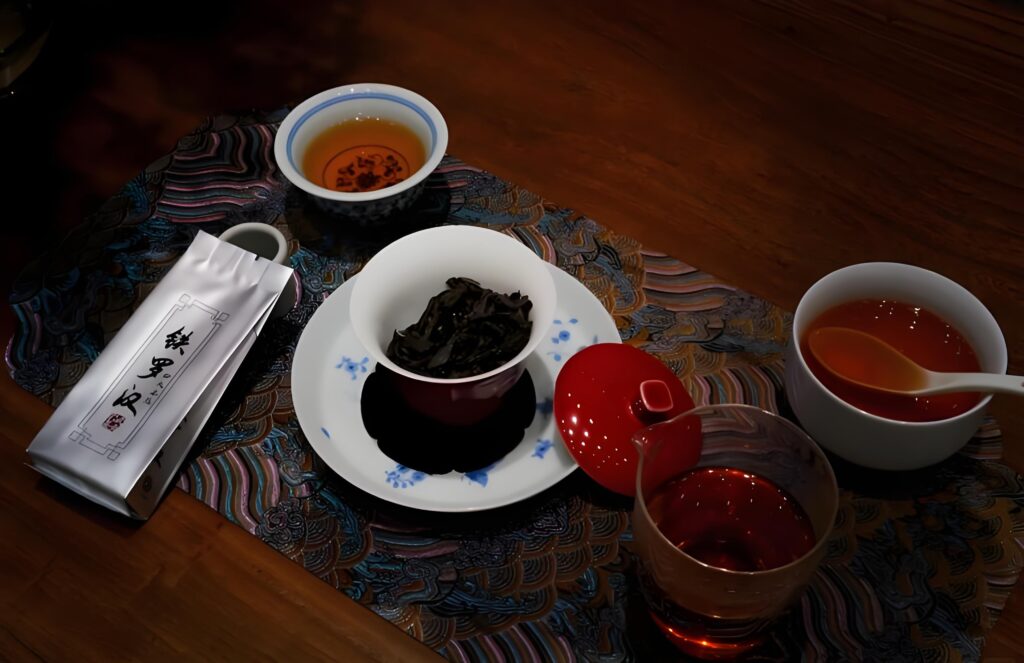
8. Wuyi Tieluohan——Traditional Four Great Clusters
Origin: Huiyuan Rock area, Wuyi Mountain, Nanping City, Fujian Province
Characteristics:
- Appearance: Tight, fat, thick and uniform strips, heavy, straight and firm texture;
- Color: Dark glossy brown-green, bright and uniform sand green with simple and thick texture;
- Tea Liquor: Dark orange red, bright and thick with full rich luster;
- Aroma: Pure and high natural herbal fragrance mixed with faint fruit and flower scent, steady, clean and penetrating;
- Taste: Strong and mellow with prominent solid rock rhyme, full and steady in mouth, lasting saliva secretion and throat rhyme;
- Leaf Bottom: Yellow-green with red edges, thick and tough fresh complete leaves.
9. Zhangping Shuixian——The only tight pressure oolong
Origin: Zhangping City, Longyan City, Fujian Province
Characteristics:
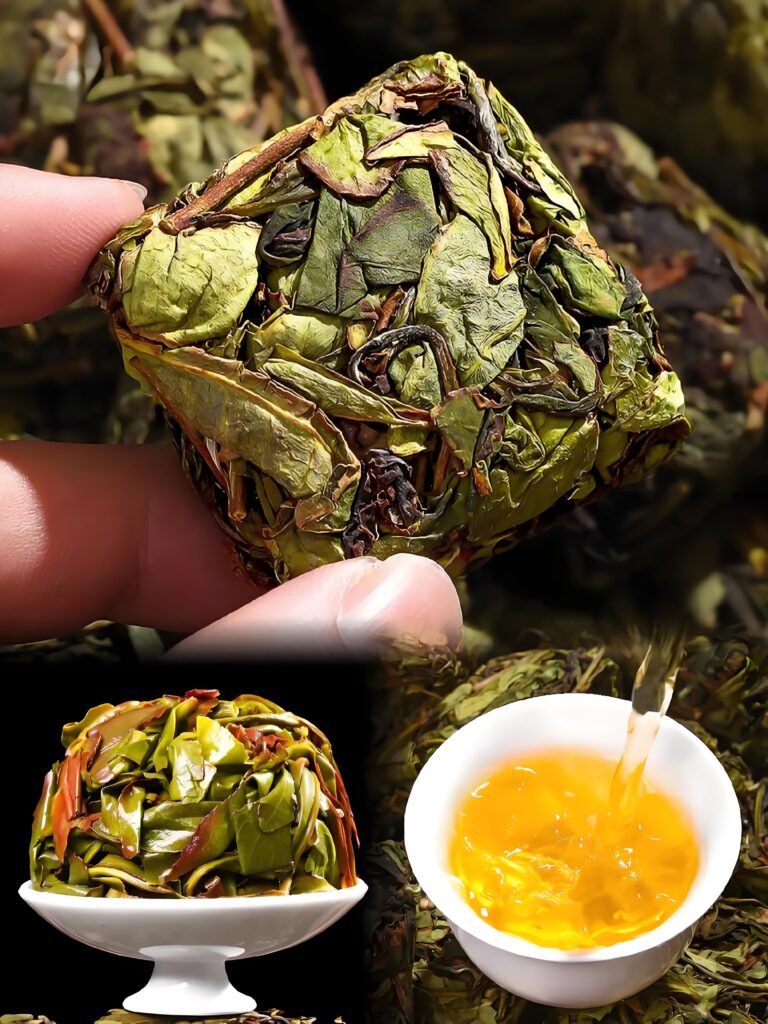
- Appearance: Square compressed tea cake, regular and moderate tightness with clear tea strips, no looseness or breakage;
- Color: Cyan brown and glossy, uniform, fresh and bright with high-grade clean texture;
- Tea Liquor: Golden and transparent, clear and bright with excellent clarity;
- Aroma: Rich and pure iconic milk fragrance mixed with elegant orchid scent, sweet and lasting;
- Taste: Fresh, mellow, sweet and smooth, with lingering milk flavor, long aftertaste and refreshing texture;
- Leaf Bottom: Uniform emerald green, complete, soft and elastic tender leaves.
10. Bai Jiguan——Wuyi Four Famous Congzhen Rare Oolong
Origin: Core Zhengyan area, Wuyi Mountain, Nanping City, Fujian Province
Characteristics:
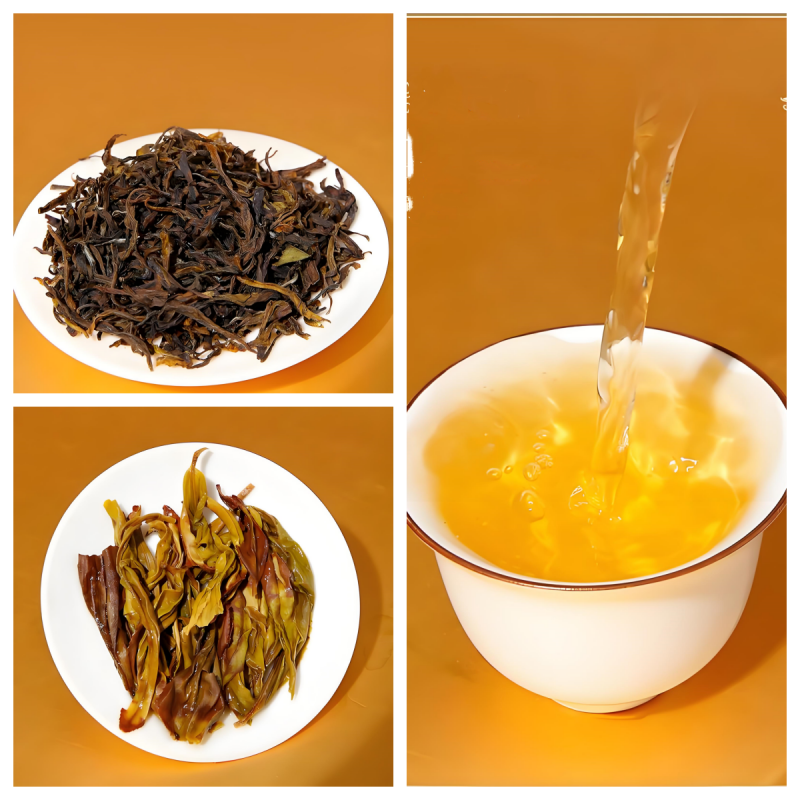
- Appearance: Fine, tight, uniform, straight and stretched strips, delicate and complete buds with elegant shape;
- Color: Pale yellow-green and glossy with exposed white hairs, fresh and unique different from ordinary dark rock tea;
- Tea Liquor: Pale orange yellow, clear, transparent and mild with delicate luster;
- Aroma: High and pure elegant floral fragrance mixed with faint grassy scent, fresh and lasting;
- Taste: Fresh, elegant, mellow and sweet, clean and transparent in mouth with quiet rock rhyme and sweet aftertaste;
- Leaf Bottom: Tender yellow and emerald green, uniform, soft, fresh and complete delicate leaves.
五、Google Frequently Asked Questions
Q1: What kind of tea does oolong tea belong to? Is it fermented tea?
Oolong tea is an exclusive semi-fermented tea among the six major traditional Chinese teas, with a standard fermentation degree of 15% to 70%. It has a mild and neutral tea nature, suitable for all-season drinking. Different from non-fermented green tea and fully fermented black tea, authentic oolong tea integrates the advantages of both, featuring rich and layered flavors, and ranks among the most searched and cost-effective characteristic Chinese teas in the global market.
Q2: What are the core production areas of oolong tea? What are the differences in taste among different regions?
Authentic premium oolong tea has only four core producing areas: northern Fujian, southern Fujian, Guangdong and Taiwan. Unique soil and climate conditions in each region create exclusive differentiated flavors. Wuyi oolong from northern Fujian features prominent rock rhyme, mellow and steady tea texture. Anxi oolong from southern Fujian is famous for pure orchid fragrance, fresh sweet and clean taste. Guangdong Fenghuang Dancong is characterized by diverse strong floral aromas with excellent penetration. Taiwan oolong boasts mild honey flavor, soft delicate texture and long sweet aftertaste. The clear flavor differences of the four regions are the core reference standard for oolong tea selection and tasting.
Q3: What are the health benefits of long-term consumption of oolong tea?
According to professional tea expert research, moderate long-term drinking of authentic oolong tea provides multiple natural health benefits. Rich in tea polyphenols, antioxidants and trace elements, oolong tea effectively relieves greasiness, accelerates metabolism, assists in regulating blood lipids and blood sugar, removes human free radicals and delays aging. It also refreshes the mind, relieves mental fatigue and nourishes the stomach gently, significantly improving sub-health problems caused by sedentary lifestyles and staying up late, serving as an ideal natural health tea for daily long-term consumption.
Q4: What is the difference between rock tea and oolong tea? Is it the same type of tea?
Rock tea and oolong tea are not equivalent concepts. Wuyi rock tea is a high-end subdivided branch of oolong tea. Oolong tea is a broad category covering all semi-fermented Chinese teas, including Wuyi rock tea, Anxi Tieguanyin, Fenghuang Dancong and Taiwan oolong tea. Wuyi rock tea specifically refers to high-quality oolong tea produced in the Zhengyan core area of Wuyi Mountain Fujian. With unique rocky soil conditions and traditional roasting craftsmanship, it forms exclusive rock rhyme flavor, belonging to the top-grade, most famous and collectible category of oolong tea.
Q5: What are the top ten best oolong teas to drink?
Combining authentic producing area qualification, tasting flavor, market scarcity, historical and cultural value, and global Google search popularity, the industry-recognized top 10 classic premium Chinese oolong teas are Wuyi Dahongpao, Wuyi Rougui, Wuyi Shuixian, Wuyi Tieluohan, Bai Jiguan, Anxi Tieguanyin, Fenghuang Dancong, Taiwan Dongding Oolong, Taiwan Oriental Beauty and Zhangping Shuixian. Covering all four core oolong tea producing areas, these ten benchmark teas have exclusive flavor characteristics with high value for daily drinking, professional tasting and collection.