

According to classic Chinese tea literature and modern expert research, pu-erh tea is China’s most iconic post-fermented tea, produced exclusively from Yunnan large-leaf tea cultivars and famed for its “better with age” aging potential. Unlike other tea categories best consumed fresh, pu-erh undergoes slow natural or accelerated microbial fermentation, developing richer, smoother flavor and increasing functional value over years of proper storage. This guide covers the full cultural origin, geographical terroir, craftsmanship and health properties of authentic Yunnan pu-erh, breaking down 10 legendary varieties with standard six-dimension sensory evaluation to help global tea enthusiasts identify premium pu-erh and master professional brewing and collection methods.
一、Origin & History
The earliest records of pu-erh tea date back to the Three Kingdoms period (220–280 AD), with legends linking tea cultivation in Yunnan to the ancient Shu kingdom. By the Tang Dynasty (618–907 AD), compressed tea cakes from Yunnan were widely traded along the Ancient Tea-Horse Road, transported to Tibet, Central Asia and Southeast Asia. The tea was named “Pu-erh” after the Pu’er prefecture in southern Yunnan, which served as the historical trading hub for Yunnan tea.
During the Ming and Qing dynasties, pu-erh became an imperial tribute tea, with Manchu nobility prizing its rich, warming character. The famous “gong cha” tribute tea from Yiliang and Mansong was reserved exclusively for the royal court. By the late Qing Dynasty, private tea houses such as Songpin Hao and Tongqing Hao flourished in Yiwu, establishing the classic “hao ji” vintage tea era that laid the foundation for modern pu-erh collecting culture.
The most pivotal development in modern pu-erh history occurred in 1973, when Kunming Tea Factory successfully developed the artificial pile-fermentation (wo dui) technique after studying Guangdong wet-leaf fermentation methods. This breakthrough created ripe (shu) pu-erh, which replicates decades of natural aging in just 45–60 days, making mellow, red-liquor pu-erh accessible for immediate consumption and driving massive export growth to Hong Kong and Southeast Asia.
In 2023, the Jingmai Mountain Ancient Tea Forest Cultural Landscape was inscribed on the UNESCO World Heritage List as the world’s first tea-themed world heritage site, further elevating the global recognition of Yunnan pu-erh tea culture.
二、Growing Regions & Terroir
Pu-erh tea is exclusively produced in Yunnan Province, southwest China, with three core production regions each delivering distinct flavor profiles shaped by altitude, climate and soil conditions:
2.1 Xishuangbanna Region
Located in southern Yunnan at 1,200–1,800m altitude, this is the most historic and largest pu-erh producing region. Famous mountains include Lao Banzhang, Yiwu, Nannuo, Bulang and Gedeng. Tropical monsoon climate with abundant rainfall and large day-night temperature differences creates tea with rich polyphenol content, strong tea qi and excellent aging potential. The Bulang mountain area produces bold, bitter-sweet teas while Yiwu delivers softer, honeyed elegance.
2.2 Lincang Region
Located in southwestern Yunnan at 1,500–2,000m altitude, Lincang is the fastest-growing premium pu-erh region. Famous mountains include Bingdao, Xigui, Mengku and Daxueshan. High-altitude mountain terroir produces teas with distinctive bright sweetness and floral aroma. Bingdao tea is celebrated for its signature “rock sugar sweetness” while Xigui carries unique mineral stone charm.
2.3 Pu’er City Region
Formerly known as Simao, this central Yunnan region sits at 1,400–1,700m altitude. Famous areas include Jingmai Mountain, Qianjiazhai and Wuliang Mountain. Cloudy, humid conditions and ancient forest ecosystems produce teas with elegant orchid aroma and balanced sweetness. Jingmai Mountain, a UNESCO World Heritage site, is famed for its thousand-year-old tea forests and signature orchid-honey fragrance.
三、Core Processing Method
Pu-erh tea is divided into two major categories — raw (sheng) and ripe (shu) — sharing the same initial sun-dried green tea (maocha) base but diverging in fermentation method.
3.1 Raw Pu-erh Production
Plucking: Hand-pluck one bud with two to three leaves from spring to autumn.
Fixation (Sha Qing): Wok-roast at high temperature to deactivate oxidative enzymes, preserving raw tea character.
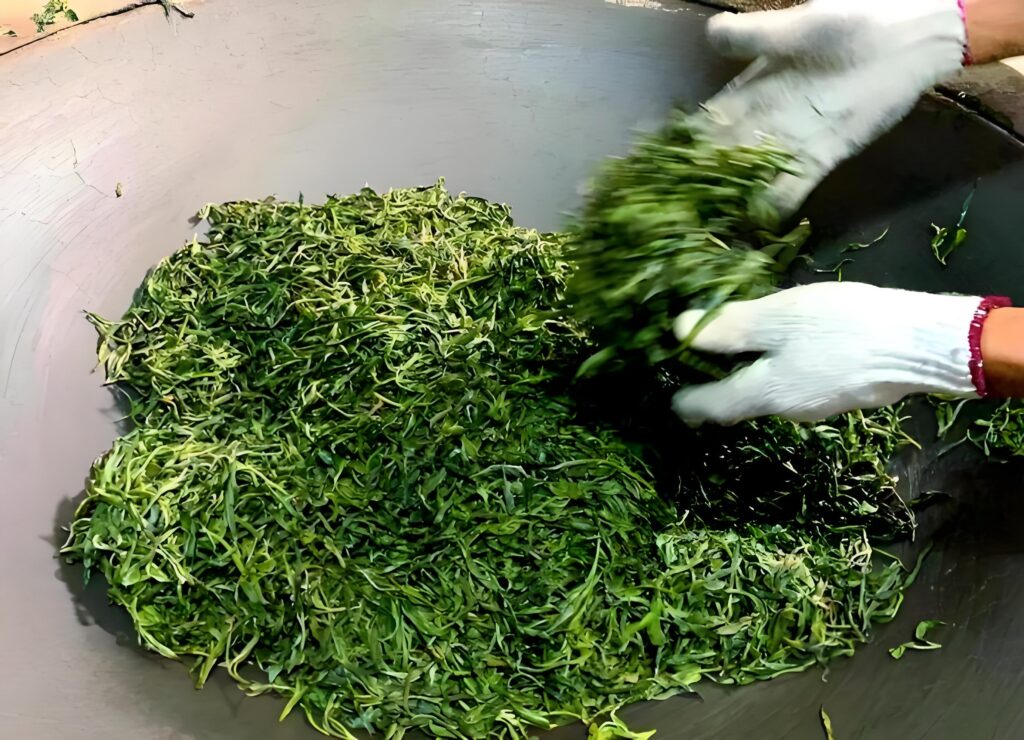
Rolling: Mechanical rolling breaks cell walls and forms tight leaf strips.
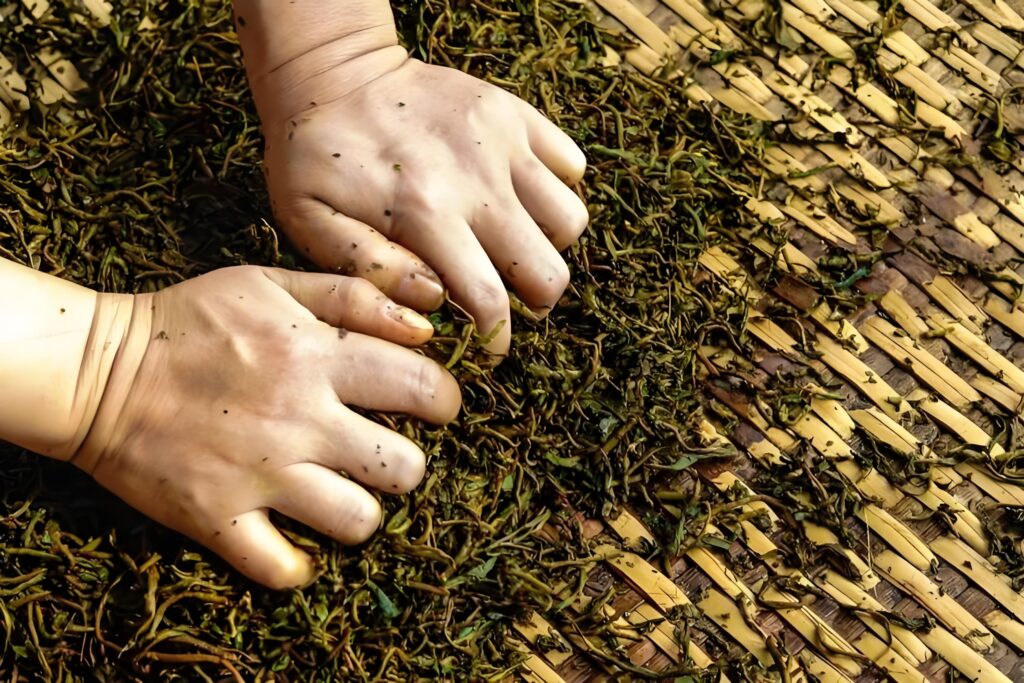
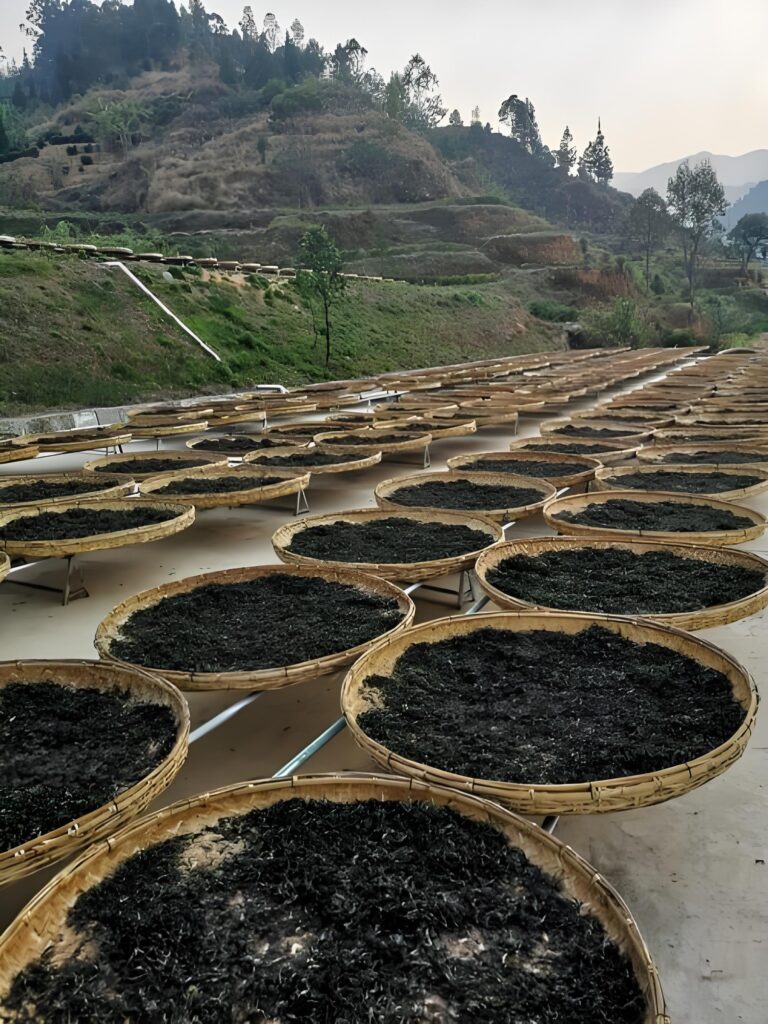
Sun Drying: Natural sunlight drying preserves microbial activity, creating the base for long-term aging. This is the defining step that distinguishes pu-erh from other green teas.
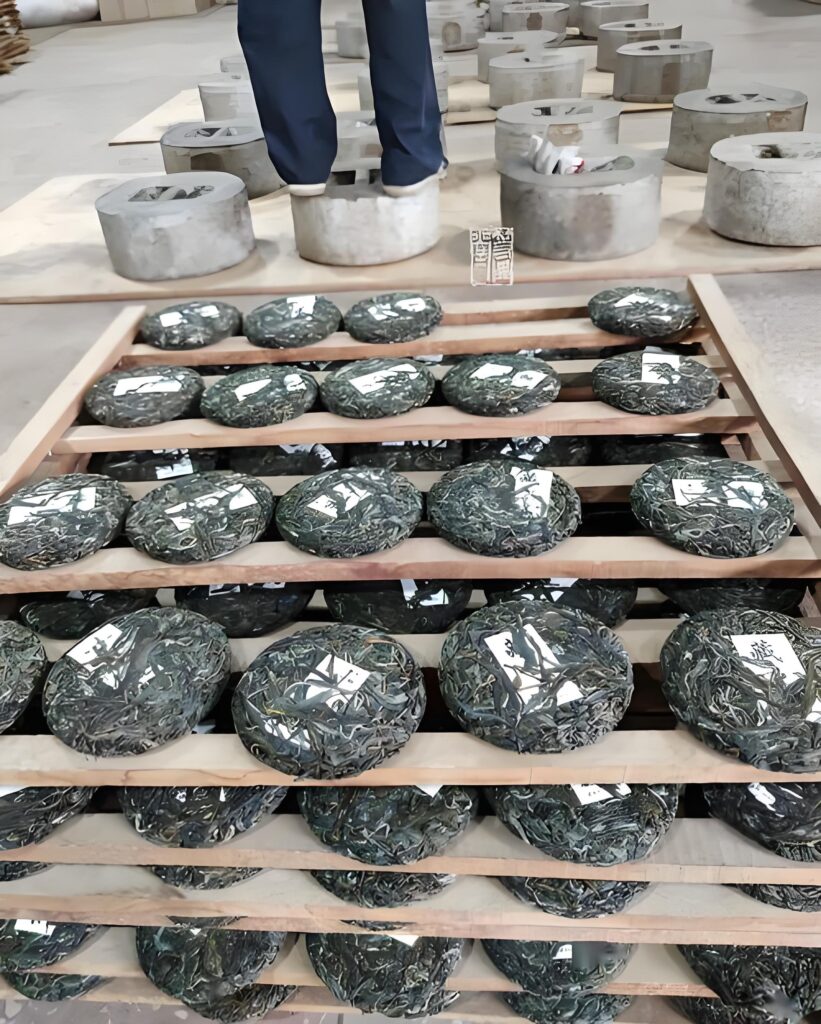
Compression: Steam softens sun-dried maocha, which is then pressed into cakes, bricks, tuocha or other shapes.
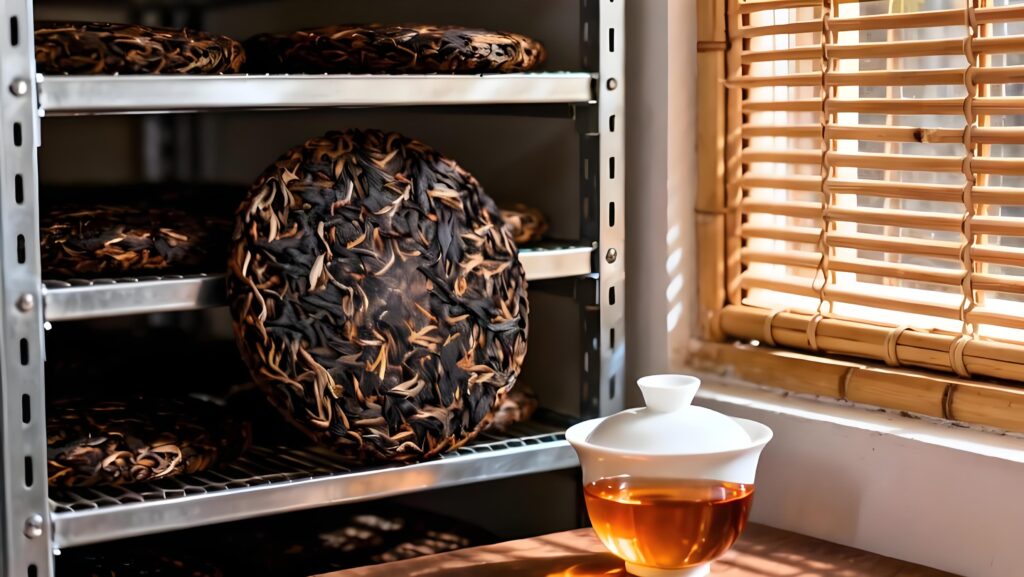
Natural Aging: Stored under proper conditions, raw pu-erh undergoes slow spontaneous fermentation over years, gradually mellowing from sharp green character to smooth aged richness.
3.2 Ripe Pu-erh Production
Ripe pu-erh follows the same first four steps as raw pu-erh, then adds the core pile-fermentation stage before compression:
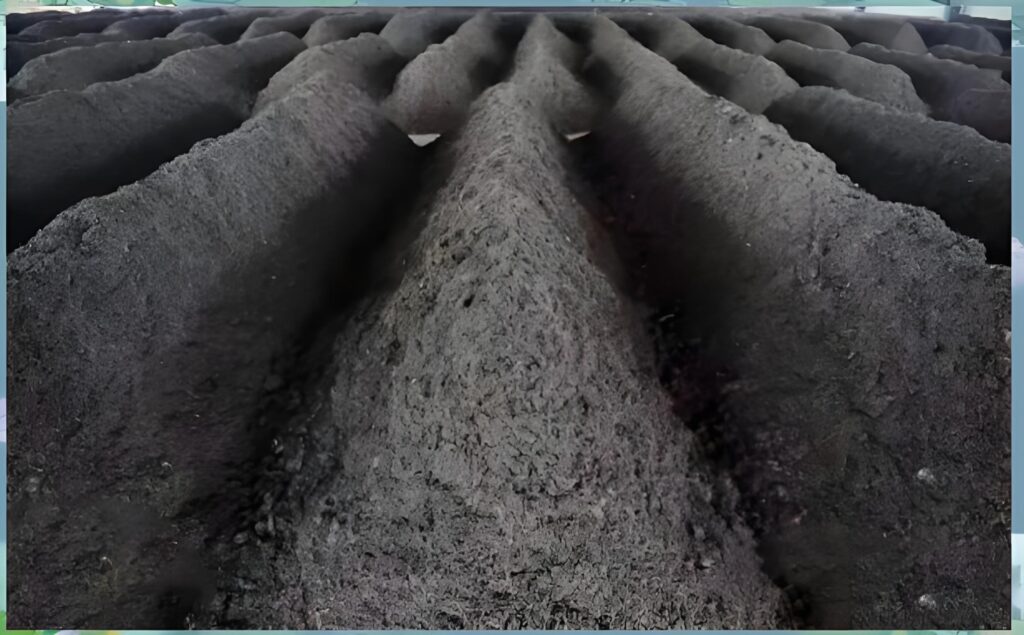
Pile Fermentation (Wo Dui) — Core Step: Sun-dried maocha is piled into 1–2 meter high stacks, moistened with water and covered with cloth for 45–60 days. Controlled heat and humidity cultivate microbial communities including Aspergillus niger and yeast, which break down bitter polyphenols into theabrownins, creating the signature mellow, earthy-sweet flavor of ripe pu-erh.
After fermentation completes, leaves are dried, sorted and compressed into final products ready for immediate drinking.
四、General Sensory Characteristics
Raw Pu-erh
Appearance: Tightly pressed cakes or tuocha; loose leaf shows sturdy, complete leaf strips with prominent silver pekoe on bud tips.
Dry Color: Deep forest green with silvery highlights; aged raw tea gradually turns yellowish-brown over years.
Liquor Color: Young raw tea is bright golden-yellow to light orange; aged raw tea deepens to rich orange-red.
Aroma: Young tea has fresh floral, honey and herbal notes; aged versions develop rich aged wood, camphor, orchid and medicinal fragrance.
Taste: Young raw tea is brisk and sweet with mild astringency and strong rapid returning sweetness; aged raw tea becomes mellow, smooth and layered with deep lingering charm.
Leaf Base: Tender yellow-green for young tea; yellowish-brown for aged tea, complete and elastic leaves with visible veins.
Ripe Pu-erh
Appearance: Tightly pressed cakes or bricks; loose leaf shows thick, dark reddish-brown strips with golden bud tips.
Dry Color: Deep reddish-brown to chestnut brown with glossy oily sheen.
Liquor Color: Deep bright chestnut red, thick and translucent with obvious oily texture and golden rim at cup edge.
Aroma: Dominated by aged wood, camphor and malt notes; premium grades carry date, ginseng or rice sweetness.
Taste: Silky smooth, thick and mellow, with sweet aftertaste and minimal bitterness; highly brewable with consistent flavor across multiple infusions.
Leaf Base: Uniform reddish-brown, thick and soft leaves with elastic texture.
五、Top 10 Chinese Pu-erh Teas: Full Sensory Profiles
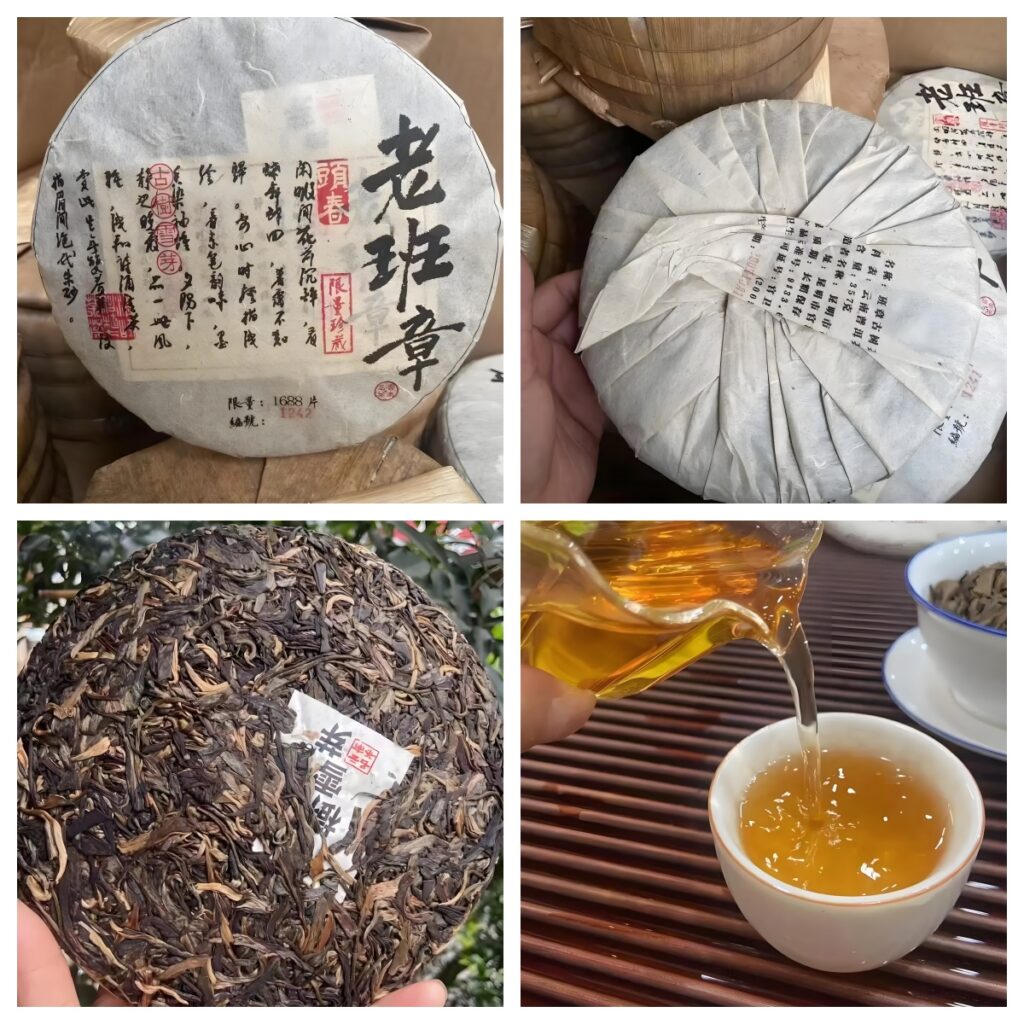
5.1 Lao Ban Zhang Raw Pu-erh
Origin: Lao Banzhang village, Bulang Mountain, Xishuangbanna; 300+ year old ancient tea trees
Appearance: Thick, sturdy leaf strips, plump bud heads with abundant silver pekoe; tightly pressed cakes with heavy hand feel
Dry Color: Deep ink green with silvery highlights, glossy and lustrous
Liquor Color: Bright golden-yellow, thick and luminous with obvious oily texture
Aroma: Rich floral honey fragrance with subtle herbal and forest undertones, powerful and long-lasting
Taste: Known as the “King of Pu-erh” — bold, full-bodied with strong initial bitterness that melts rapidly into intense returning sweetness, pronounced tea qi and long-lasting throat charm
Leaf Base: Thick, complete olive-green leaves, plump and elastic with clear veins
5.2 Bingdao Raw Pu-erh
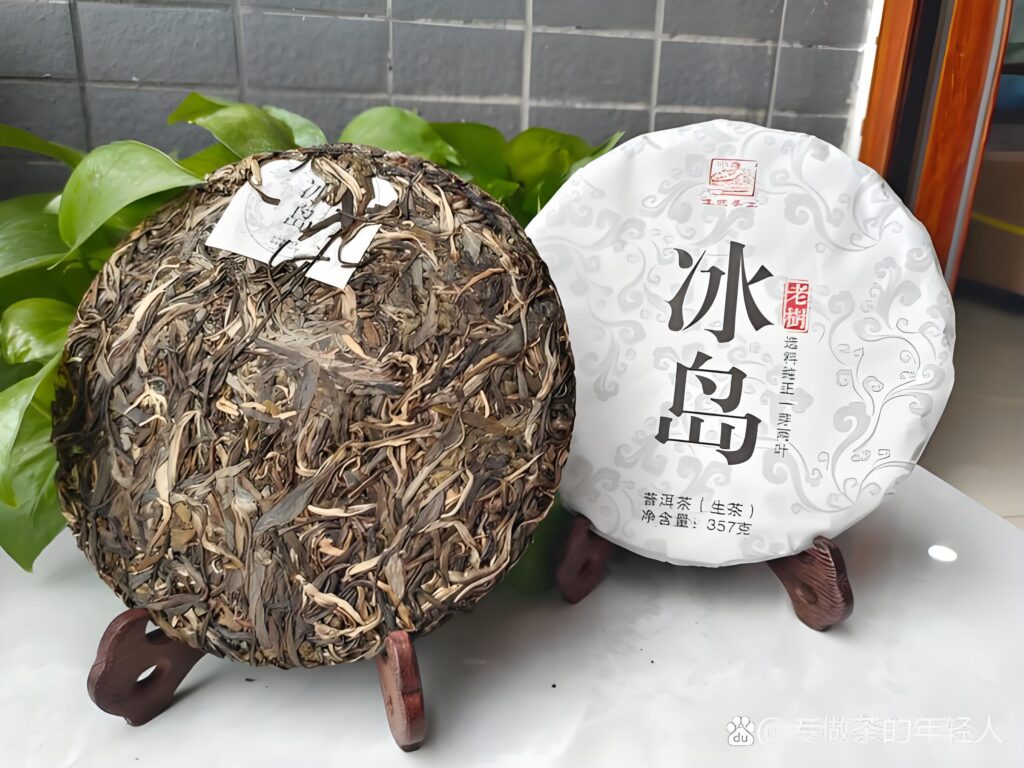
Origin: Bingdao village, Mengku, Lincang; ancient large-leaf tea trees
Appearance: Slender, neat leaf strips with fine silver pekoe, elegant and uniform
Dry Color: Fresh yellowish-green with silvery sheen
Liquor Color: Pale golden-yellow, crystal clear and luminous
Aroma: Delicate floral and rock sugar sweetness, clean and pure, with subtle orchid top notes
Taste: Signature “rock sugar sweetness” — exceptionally smooth and sweet from first sip, zero harsh bitterness, long-lasting cool sweetness in the throat, the sweetest of all pu-erh varieties
Leaf Base: Tender bright yellow-green, soft and uniform leaf shape
5.3 Yiwu Zhengshan Raw Pu-erh
Origin: Yiwu town, Xishuangbanna; ancient tea mountains including Mahei and Luoshuidong
Appearance: Slender, tightly twisted leaf strips with fine silver pekoe, soft and elegant
Dry Color: Deep green with subtle grayish bloom
Liquor Color: Bright golden-yellow, soft and translucent
Aroma: Elegant honey orchid fragrance with subtle dried fruit notes, soft and long-lasting
Taste: Classic “soft Yiwu” character — smooth, mellow and sweet, gentle tea qi, deep throat charm, with flavor that improves dramatically with aging
Leaf Base: Tender yellow-green, soft and complete leaves with uniform color
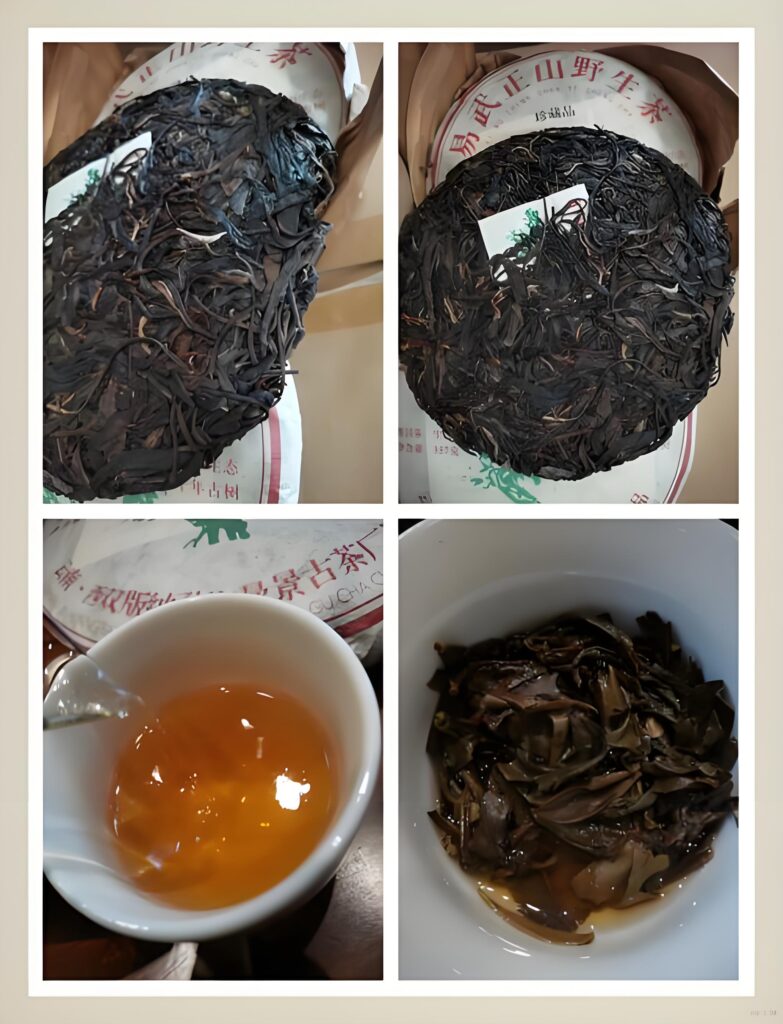
5.4 Jingmai Mountain Raw Pu-erh
Origin: Jingmai Mountain, Lancang, Pu’er City; UNESCO World Heritage thousand-year ancient tea forests
Appearance: Medium-thick leaf strips with prominent pekoe, neat and uniform
Dry Color: Deep green with silvery highlights
Liquor Color: Bright golden-yellow, clear and glossy
Aroma: Signature orchid fragrance — intense, long-lasting floral aroma with honey undertones, the most floral of all pu-erh regions; also carries subtle forest wild herb notes
Taste: Sweet and refreshing, smooth with strong returning sweetness, distinct orchid aftertaste and mild tea qi
Leaf Base: Tender yellow-green, neat and soft leaves
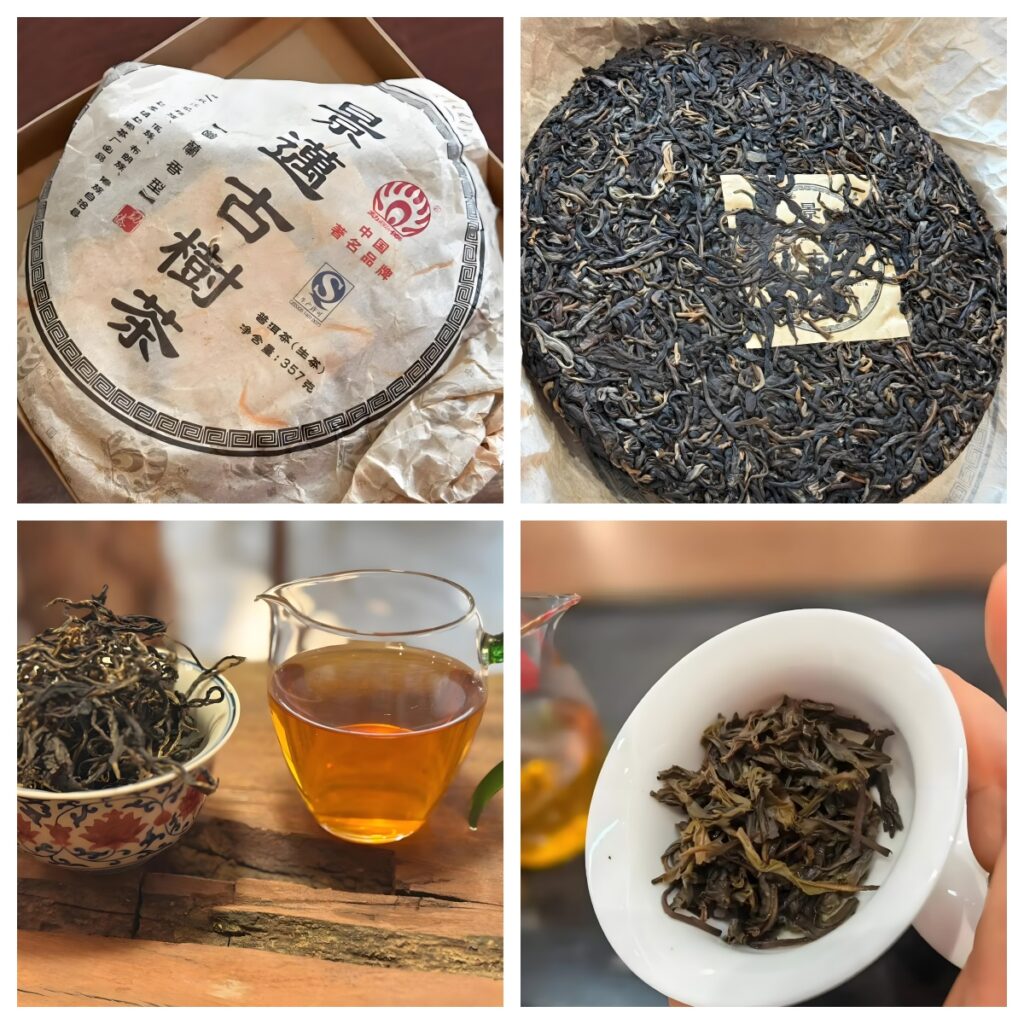
5.5 7542 Classic Raw Pu-erh
Origin: Menghai Tea Factory, Xishuangbanna; the benchmark raw pu-erh formula created in 1975
Appearance: Uniform medium-thick leaf strips with bud tip pekoe, classic Menghai blend style
Dry Color: Deep green with yellowish highlights
Liquor Color: Bright golden-orange, clear and transparent
Aroma: Pure Menghai honey aroma with subtle smoky undertones in young tea; develops plum and aged wood notes with storage
Taste: Balanced, full-bodied flavor with mild bitterness and steady returning sweetness, excellent aging potential; recognized as the industry standard for raw pu-erh quality evaluation
Leaf Base: Yellow-green, uniform and complete leaves
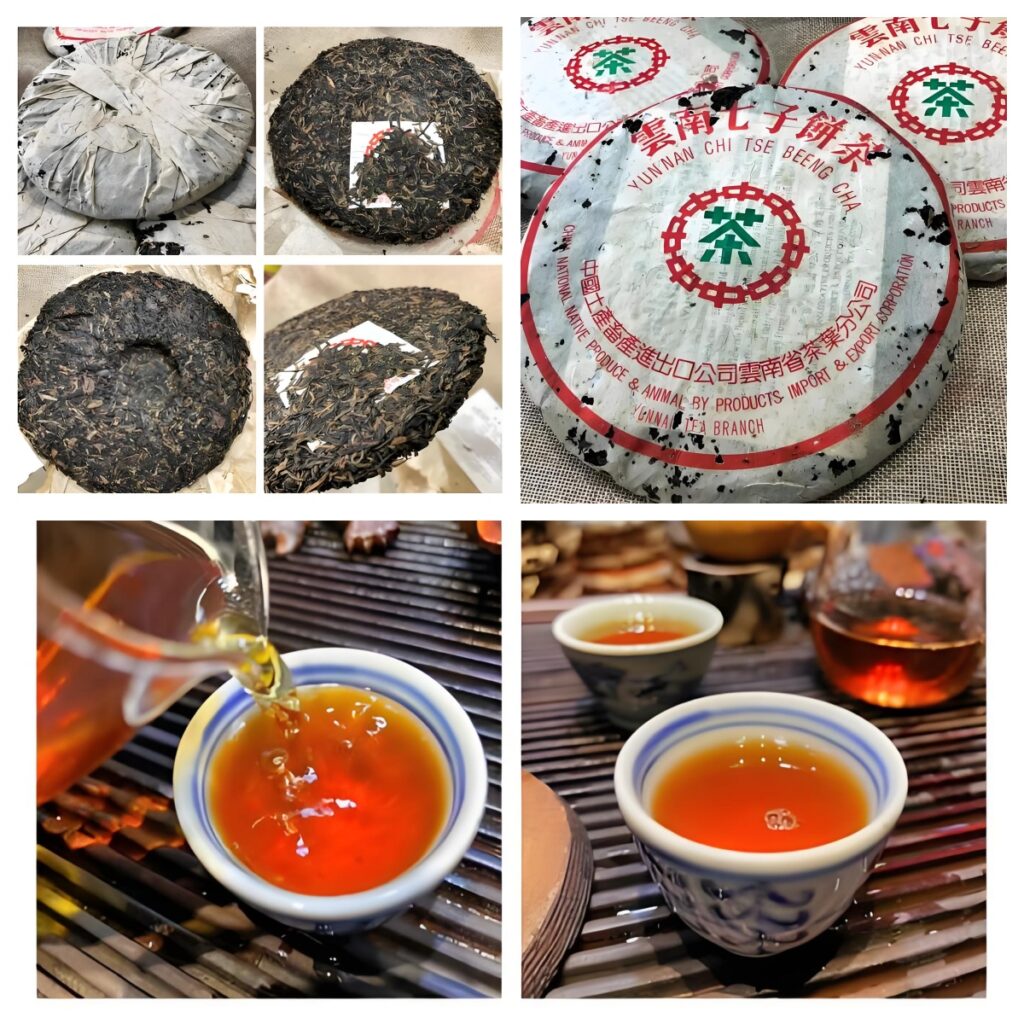
5.6 7572 Classic Ripe Pu-erh
Origin: Menghai Tea Factory; the benchmark ripe pu-erh formula created in 1975, widely known as the “yardstick of ripe pu-erh”
Appearance: Tight, uniform leaf strips with golden bud tips, classic moderate fermentation style
Dry Color: Deep reddish-brown with glossy sheen
Liquor Color: Deep bright chestnut red, thick and translucent
Aroma: Pure aged aroma with malt and date sweetness, no musty off-notes
Taste: Smooth, mellow and thick, balanced sweetness, consistent flavor across infusions; the most widely recognized entry-level ripe pu-erh standard
Leaf Base: Uniform reddish-brown, soft and elastic leaves
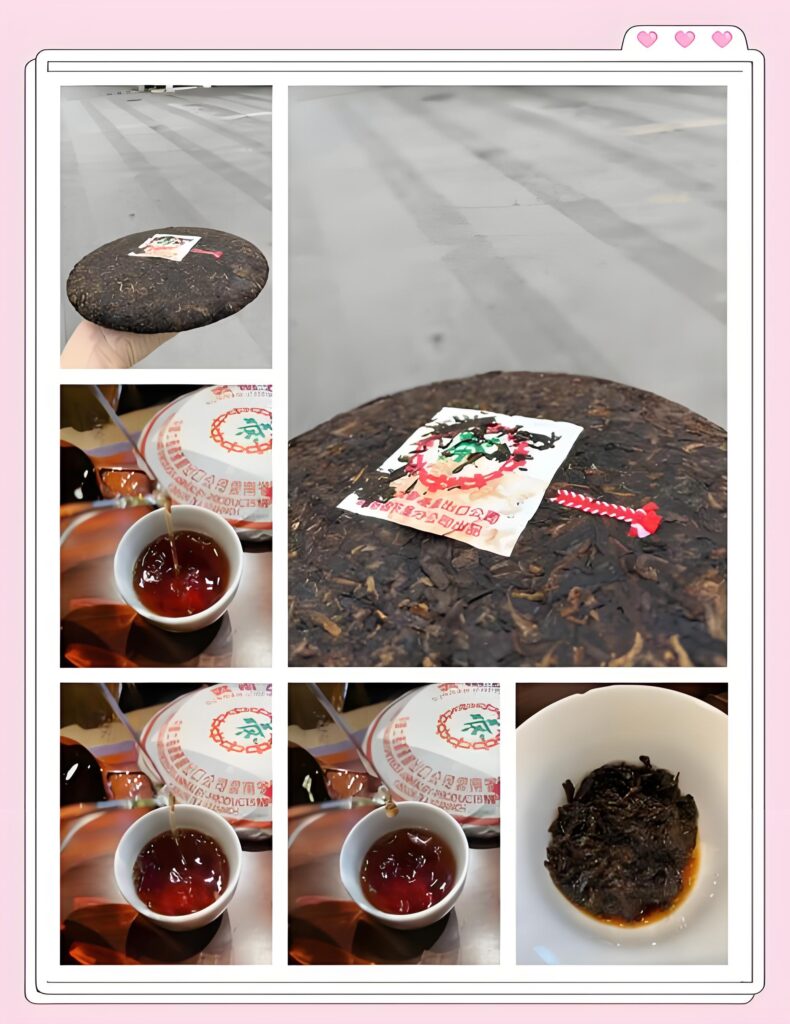
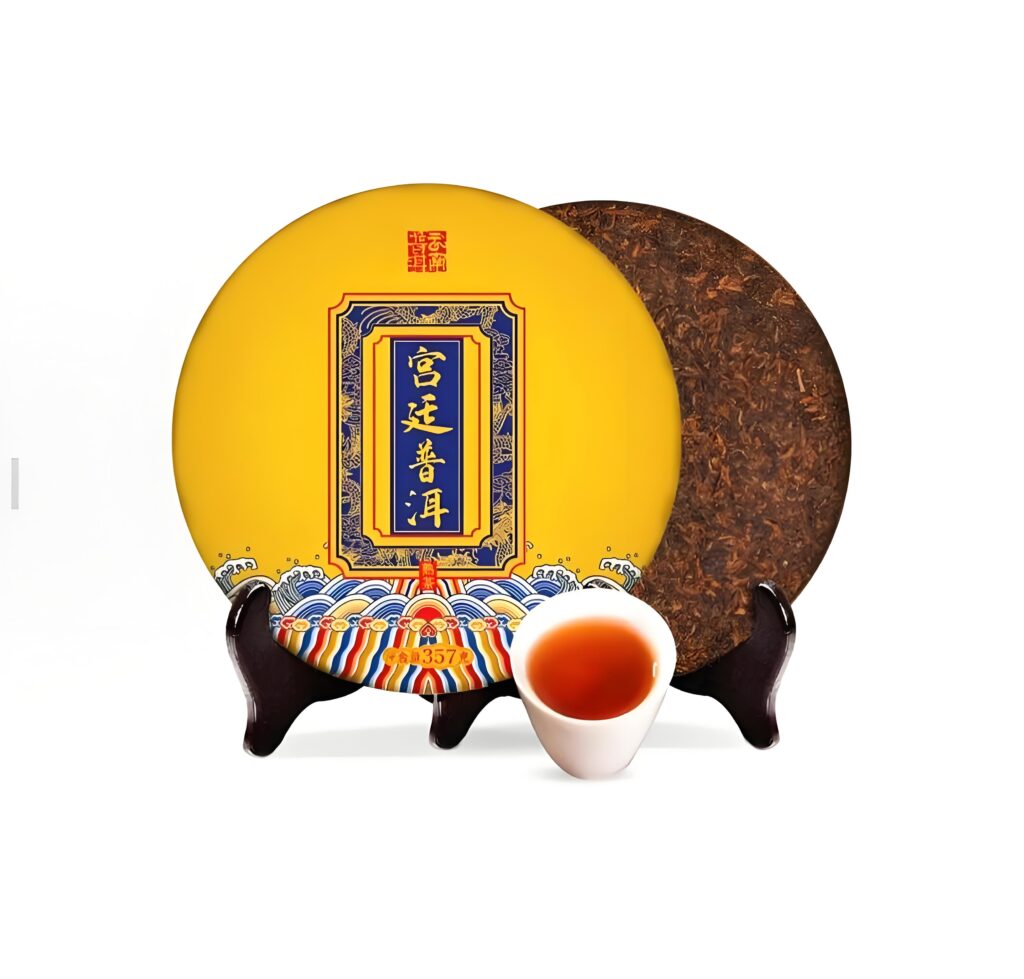
5.7 Gongting Ripe Pu-erh
Origin: Menghai and Kunming; highest grade ripe pu-erh made exclusively from tender single buds
Appearance: Fine, plump golden bud strips, densely covered with golden pekoe, delicate and uniform
Dry Color: Golden-reddish brown with glossy sheen, bright golden pekoe visible
Liquor Color: Bright deep red, thick and luminous with golden rim
Aroma: Elegant lotus seed and honey sweetness, soft aged aroma, delicate and pure
Taste: Exceptionally smooth and silky, rich honey sweetness, fine and delicate mouthfeel, the most refined grade of ripe pu-erh
Leaf Base: Tender uniform bronze-colored buds, soft and plump
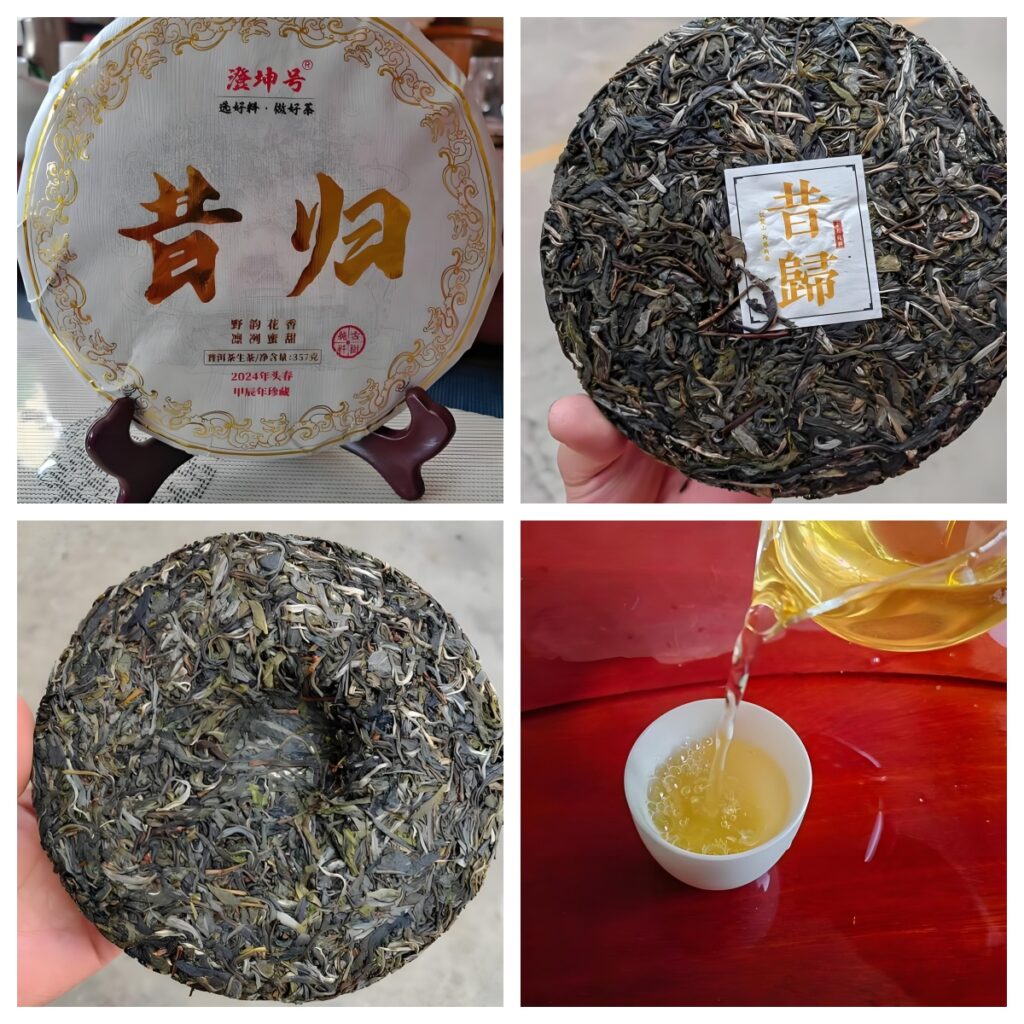
5.8 Xigui Raw Pu-erh
Origin: Xigui village, Bangdong, Lincang; low-altitude rock mountain terroir
Appearance: Slender, dark green leaf strips, compact and neat
Dry Color: Deep ink green with subtle glossy sheen
Liquor Color: Bright golden-yellow, clear and transparent
Aroma: Rich orchid fragrance with distinctive mineral stone notes, high and penetrating
Taste: Strong, brisk sweetness with rapid returning sweetness, distinctive rock charm, full tea qi and long throat charm; known as “the prince of Lincang tea”
Leaf Base: Deep yellow-green, thick and elastic leaves
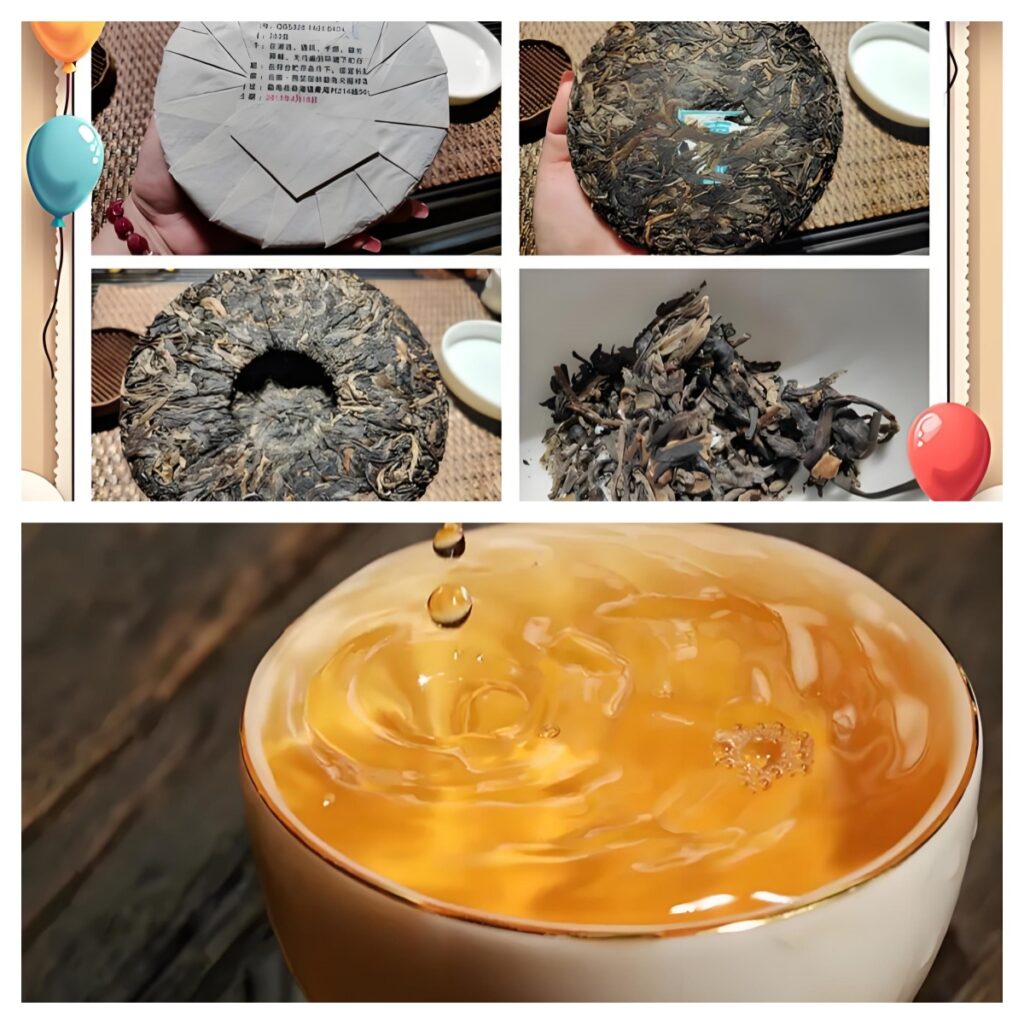
5.9 Nannuo Mountain Raw Pu-erh
Origin: Nannuo Mountain, Menghai, Xishuangbanna; historic “home of tea king” with 800-year-old ancient tea tree
Appearance: Plump, sturdy leaf strips with abundant pekoe, neat and uniform
Dry Color: Deep green with silvery highlights
Liquor Color: Bright golden-yellow, thick and luminous
Aroma: Rich pure honey fragrance with subtle floral undertones, soft and lasting
Taste: Mellow, full-bodied sweetness, mild bitterness that melts quickly, smooth mouthfeel and steady returning sweetness; classic entry-level Menghai raw pu-erh
Leaf Base: Tender yellow-green, thick and soft leaves
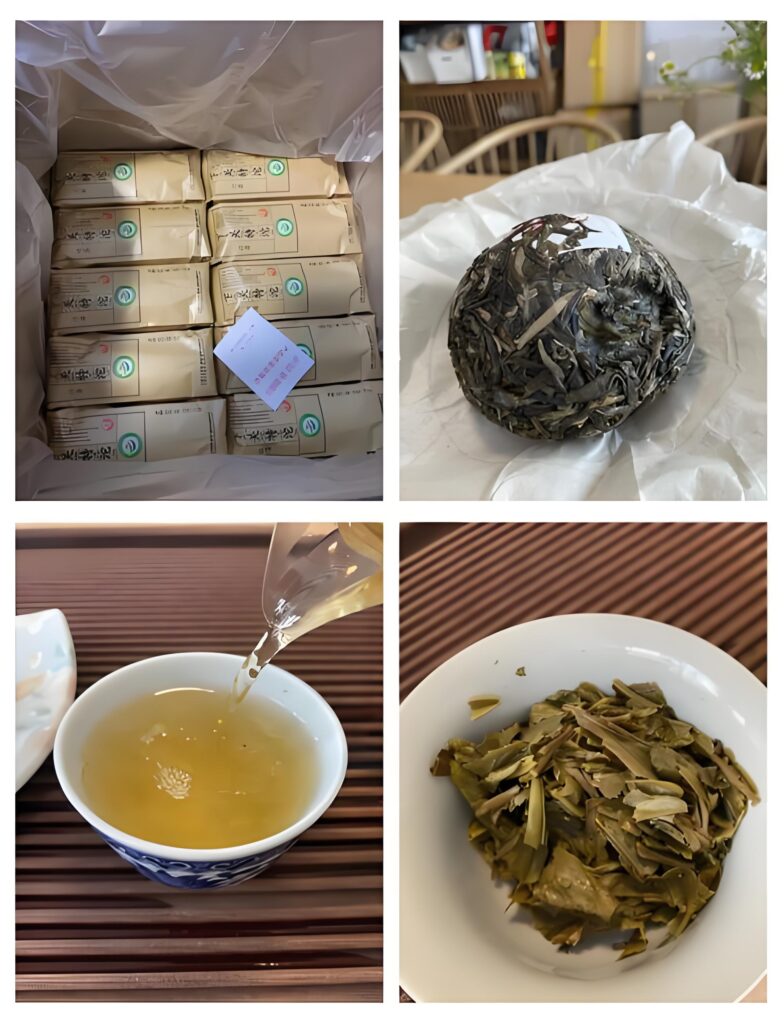
5.10 Xiaguan Tuocha Raw Pu-erh
Origin: Xiaguan, Dali, Yunnan; classic bowl-shaped compressed tea with over 100 years of production history
Appearance: Compact nest-shaped tuocha, tight and firm; inner leaf strips are sturdy and twisted
Dry Color: Deep green with yellowish highlights
Liquor Color: Bright golden-orange, clear and transparent
Aroma: Distinctive smoky honey fragrance with herbal undertones, signature Xiaguan “smoky charm”
Taste: Brisk, strong flavor with noticeable astringency and rapid returning sweetness, highly brewable; classic everyday pu-erh with excellent aging value
Leaf Base: Yellow-green, complete and elastic leaves
六、Science-Backed Health Benefits
Modern clinical research confirms that pu-erh tea’s unique microbial fermentation produces highly active functional compounds including theabrownins, tea polysaccharides and fungal metabolites, delivering multiple evidence-based health effects:
6.1 Lipid-Lowering & Metabolic Regulation
Peer-reviewed studies demonstrate that pu-erh theabrownins regulate bile acid metabolism and activate the AMPK pathway, suppressing hepatic fat synthesis and reducing intestinal triglyceride absorption. Animal trials show pu-erh extract reduces body fat accumulation by 14–17% in high-fat diet models and improves insulin sensitivity. Population studies link long-term pu-erh consumption to lower LDL cholesterol and reduced metabolic syndrome risk, making it one of the most studied teas for metabolic support.
6.2 Gut Microbiome Support & Digestive Health
Pu-erh tea polysaccharides and theabrownins act as prebiotics, promoting the growth of beneficial gut bacteria such as Bifidobacterium and Lactobacillus while inhibiting pathogenic strains. Ripe pu-erh is especially gentle on the gastric mucosa, reducing post-meal bloating and supporting regular bowel function. Traditional Chinese tea practice has long used ripe pu-erh to “cut grease” after heavy, oily meals.
6.3 Antioxidant & Anti-Aging Effects
Pu-erh tea exhibits strong free radical-scavenging activity, with aged pu-erh showing higher ORAC values than fresh green tea in comparative studies. Theabrownin compounds activate the Nrf2 cellular antioxidant pathway, boosting endogenous antioxidant enzyme activity and reducing oxidative damage linked to premature aging and chronic disease.
6.4 Cardiovascular Protection
Long-term pu-erh consumption improves vascular endothelial function by enhancing nitric oxide production, supporting healthy blood pressure and reducing arterial stiffness. Meta-analysis of cohort studies finds that daily pu-erh consumption is associated with approximately 16% lower risk of cardiovascular events. Antioxidant compounds also reduce LDL oxidation, a key driver of atherosclerosis.
6.5 Steady Energy & Mental Focus
Pu-erh tea contains 1.5–3% caffeine bound to tea polyphenols, which creates slow, sustained release rather than the rapid spike and crash of coffee. Combined with L-theanine, it delivers steady mental alertness and extended focus without nervous jitters. Aged raw pu-erh also provides gentle tea qi sensation that many drinkers find calming yet energizing.
七、Brewing Guide
For Compressed Pu-erh Tea (Cakes, Bricks, Tuocha)
Tea Preparation: Pry 5–7 grams of tea from the cake/brick, keeping leaves as intact as possible. Remove any loose surface dust.
Water Temperature: 95–100°C boiling water for all pu-erh; aged teas benefit most from boiling water to fully extract deep flavors.
Warming & Rinsing: Pre-warm the gaiwan or teapot. Rinse tea leaves twice quickly with boiling water and discard to awaken the tea and soften compressed leaves.
Steeping: First infusion steep for 5–10 seconds, gradually extending steeping time for subsequent brews. Premium pu-erh can be infused 10–20 times.
Boiling Method: For aged ripe pu-erh and old raw pu-erh (10+ years), boiling in a clay pot delivers the richest flavor. Simmer on low heat for 3–5 minutes for full-bodied taste.
Key Tips
Raw pu-erh: Shorter initial steeps (5–8 seconds) to avoid excessive bitterness and astringency
Ripe pu-erh: Slightly longer first steep (10–15 seconds) to fully open the fermented leaves
八 Storage Tips
Pu-erh tea’s unique aging potential depends entirely on proper storage conditions:
Temperature & Humidity: Maintain 20–30°C temperature and 40–70% relative humidity. Excessive humidity causes mold; overly dry environment slows or stops aging.
Ventilated Environment: Slight air circulation supports healthy microbial fermentation. Avoid completely sealed airtight containers for long-term aging.
Away from Strong Odors: Pu-erh tea is highly absorbent. Store far from spices, cleaning products, food and other strong-smelling items.
Avoid Sunlight: UV light destroys tea compounds and degrades flavor. Store in opaque packaging or dark cabinets.
Separate Raw & Ripe: Store raw and ripe pu-erh in separate areas to prevent aroma cross-contamination.
Regular Inspection: Check stored tea every 3–6 months for signs of mold or off-odors, especially in humid seasons.
九、SEO FAQ Section
Q1: What is the difference between raw and ripe pu-erh tea?
Raw (sheng) pu-erh is made from sun-dried green tea that ages naturally over years, starting with bright, brisk flavor and gradually mellowing. Ripe (shu) pu-erh undergoes 45–60 days of artificial pile-fermentation, creating smooth, earthy, mellow flavor ready for immediate drinking. Raw tea offers greater aging potential and complexity over time, while ripe tea is gentle on the stomach and requires no waiting period. The 1973 invention of pile-fermentation created the ripe pu-erh category we know today.
Q2: Does pu-erh tea help with weight loss?
Clinical research supports pu-erh tea’s positive effects on metabolic health and fat metabolism. Theabrownin compounds reduce intestinal fat absorption, regulate bile acid production and support healthy lipid levels. Studies show regular pu-erh consumption increases fat oxidation rate and helps reduce post-meal bloating. For best results, drink unsweetened pu-erh after heavy meals alongside a balanced diet and regular exercise — it supports healthy weight management but is not a standalone weight loss solution.
Q3: How do you brew pu-erh tea for beginners?
For beginners, start with 5 grams of pu-erh per 150ml water using 95–100°C boiling water. Use a gaiwan or simple teapot. Always rinse the tea twice quickly first to remove dust and awaken the leaves. Steep the first infusion for 8–10 seconds, then add 5 seconds for each subsequent brew. Ripe pu-erh is more forgiving and recommended for beginners; start with 7572 ripe pu-erh as a benchmark to build your taste reference. Avoid over-steeping, which causes excessive bitterness.
Q4: How long can pu-erh tea be stored?
Properly stored raw pu-erh can be aged for 20–50 years with improving flavor and value, while ripe pu-erh typically peaks at 5–15 years of storage. There is no strict expiration date as long as the tea remains dry, mold-free and properly stored. However, not all pu-erh improves forever — lower quality teas may peak in 3–5 years then decline. Premium ancient tree raw pu-erh offers the greatest long-term aging potential and collector value.
Q5: Is pu-erh tea high in caffeine?
Pu-erh tea contains 30–70mg of caffeine per 8oz cup, generally lower than coffee (95–200mg) and comparable to other Chinese teas. Raw pu-erh has slightly higher caffeine content than ripe pu-erh because fermentation partially breaks down caffeine molecules. A unique property of pu-erh is that caffeine binds to tea polyphenols, creating slow, steady release over several hours rather than a rapid spike. This means sustained alertness without the jitters or energy crash common with coffee.