

If you’re curious about pu-erh tea but overwhelmed by raw vs ripe debates, vintage pricing and confusing production terminology, you’re not alone. For first-time buyers, finding the best pu-erh tea for beginners is the hardest first step — pick the wrong one, and you might write off all pu-erh as musty, bitter or too harsh for daily drinking.
The truth is, pu-erh is one of the most accessible, affordable and beneficial Chinese tea categories for daily use, as long as you start with the right entry-level products. The best pu-erh tea for beginners is a classic benchmark recipe from a reputable factory, with clean consistent fermentation and approachable flavor. You don’t need rare vintage tea or expensive collector’s pieces to enjoy real pu-erh benefits.
In this guide, we clearly explain the difference between raw and ripe pu-erh, cover exactly what to look for in an entry-level pu-erh, and rank the top 6 starter picks across both categories. Whether you’re seeking digestive support, a calm daily drink or a tea that ages well over time, there’s a beginner-friendly option here for you.
一、Raw vs Ripe Pu-erh: What Beginners Need to Know
Before you buy your first tea, understanding the core difference between sheng (raw) and shu (ripe) pu-erh will help you pick the best pu-erh tea for beginners that matches your preferences and tolerance.
1.1 Production: Natural Aging vs. Controlled Fermentation
- Raw (Sheng) Pu-erh: Made from sun-dried green tea leaves that are pressed into cakes and aged naturally over years. It starts bright, grassy and slightly bitter, and develops smoother, deeper flavor as it oxidizes slowly over decades.
- Ripe (Shu) Pu-erh: Goes through a 45–60 day controlled microbial pile-fermentation process before pressing. This artificial aging replicates years of natural aging in months, resulting in a smooth, earthy, non-bitter tea that’s ready to drink immediately.
1.2 Flavor & Effect on the Body
- Raw pu-erh is bright, astringent and stimulating, with high antioxidant content. It is similar to green tea in its effect on the stomach and can cause irritation if drunk on an empty stomach.
- Ripe pu-erh is deep, smooth and mellow, with zero bitterness and gentle digestive support. It is far more approachable for most new drinkers and rarely causes gastric discomfort.
For most people new to pu-erh, ripe is the better starting point. If your primary goal is digestive comfort and bloating relief, ripe pu-erh is the clear choice — you can learn more in our full guide to the best pu-erh tea for digestion and bloating relief.
1.3 Which Is Better for Beginners?
For 80% of first-time buyers, ripe pu-erh is the best pu-erh tea for beginners. It’s easy to brew, hard to mess up, tastes smooth even for people who don’t like bitter tea, and delivers the classic pu-erh digestive benefits immediately.
Only start with raw pu-erh if you already enjoy strong green tea or oolong, have a sturdy stomach, and are interested in aging tea long-term.
二、How to Choose the Best Pu-erh Tea for Beginners
Use these 5 simple rules to avoid low-quality products and pick a reliable starter tea that gives you an authentic first experience.
1.Stick to classic benchmark recipes first
The numbered factory recipes (7572 for ripe, 7542 for raw) are the industry standard and the best pu-erh tea for beginners by a wide margin. They have consistent, predictable quality and give you a reference point to judge all other pu-erhs against.
Choose Menghai origin for reliable quality
Menghai in Xishuangbanna is the birthplace of modern pu-erh fermentation. Pu-erh from Menghai Tea Factory has the most consistent clean fermentation and is the safest bet for new buyers.
3.Opt for 1–3 year aged teas
Brand new ripe pu-erh can have a mild “wet pile” aftertaste, and brand new raw pu-erh is extra harsh and bitter. Tea aged 1–3 years strikes the perfect balance of affordability and smoothness for beginners.
4.Whole-leaf compressed cakes over loose dust
Compressed whole-leaf cakes retain flavor and active compounds far better than loose tea dust. While loose tea is more convenient, it loses flavor and potency much faster.
5.Avoid extremely cheap “vintage” pu-erh
Any 10+ year old pu-erh selling for under $20 is almost certainly fake or poorly stored. For beginners, recent production benchmark teas are always a better and safer choice.
三、Top 6 Best Pu-erh Teas for Beginners (Raw & Ripe Starter Picks)
These picks are selected specifically for new drinkers: they’re consistent, affordable, widely available and deliver an authentic pu-erh experience. Every option on this list is widely recommended as a top starter pu-erh tea by experienced drinkers worldwide.
Ripe Pu-erh Starter Picks
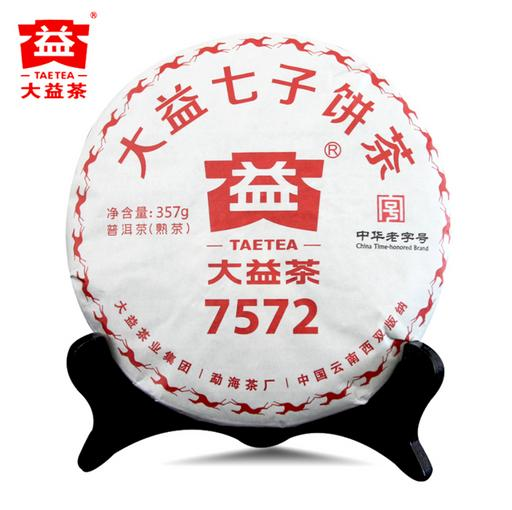
3.1 Best Overall Ripe Pu-erh for Beginners: Menghai 7572 Ripe Cake
The Menghai 7572 is universally recognized as the best pu-erh tea for beginners entering the world of ripe shu pu-erh. As the industry benchmark recipe from Menghai Tea Factory, it delivers consistent, clean fermentation and smooth, approachable flavor that defines what good ripe pu-erh should taste like.
It has a rich malty flavor with subtle aged wood notes, zero bitterness, and noticeable digestive support after heavy meals. It’s also an excellent value — a standard 357g cake lasts for months of daily drinking.
- Fermentation: Moderate clean Menghai-style pile-ferment
- Flavor notes: Malt, aged wood, smooth earthy sweetness
- Best for: First-time pu-erh drinkers, daily after-meal use, digestive support
- Buyer tip: Look for authentic 357g Menghai 7572 cakes from 2021–2023 production for the smoothest beginner-friendly profile.
3.2 Best Convenient Ripe: Grade 3 Loose Ripe Pu-erh
If you don’t want to pry apart compressed cakes or invest in a tea pick, Grade 3 loose ripe pu-erh is the best loose leaf pu-erh for first time buyers who prioritize simplicity. It’s made from whole mature leaves (not dust) and delivers all the same digestive benefits as cake pu-erh.
It’s ready to scoop and brew immediately, making it perfect for office use, travel or anyone who doesn’t want to deal with compressed tea.
- Fermentation: Clean moderate Menghai fermentation
- Flavor notes: Smooth malt, mild earth, clean mellow finish
- Best for: Office use, quick brewing, people who dislike prying tea cakes
- Buyer tip: Choose Menghai-origin Grade 3 leaf, not fine Grade 5 dust, for the best flavor and value.
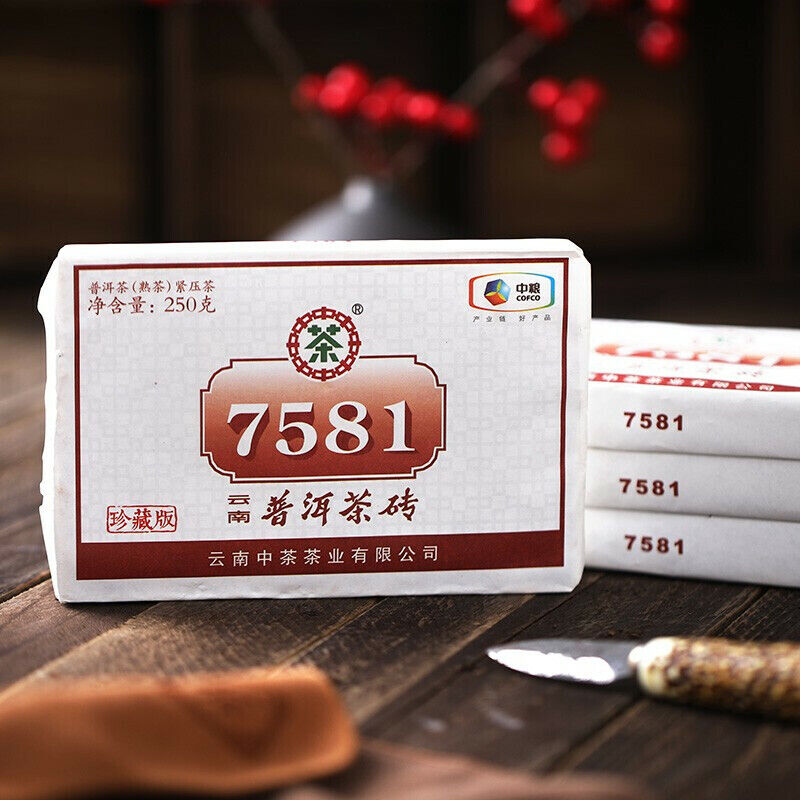
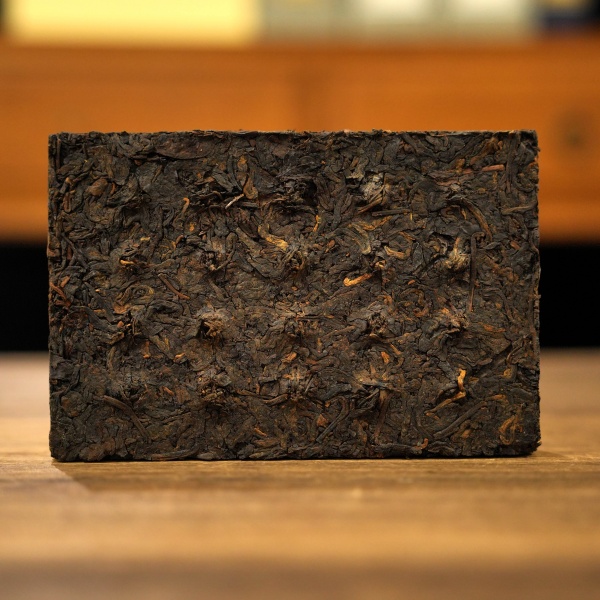
3.3 Best Budget Ripe: 7581 Pu-erh Tea Brick
The classic 7581 ripe brick is the best budget pu-erh tea for beginners who want quality at an entry-level price. It’s another iconic Menghai recipe, compressed into a dense rectangular brick that ages well and costs less per gram than almost any other quality pu-erh.
It has a slightly richer, chestnut-like flavor than 7572, with the same clean fermentation and smooth finish.
- Fermentation: Moderate traditional pile-ferment
- Flavor notes: Roasted chestnut, earthy malt, smooth mellow body
- Best for: Everyday daily drinking, budget-conscious buyers
- Buyer tip: A single 250g brick is enough for 2–3 months of daily after-meal drinking.
Raw Pu-erh Starter Picks
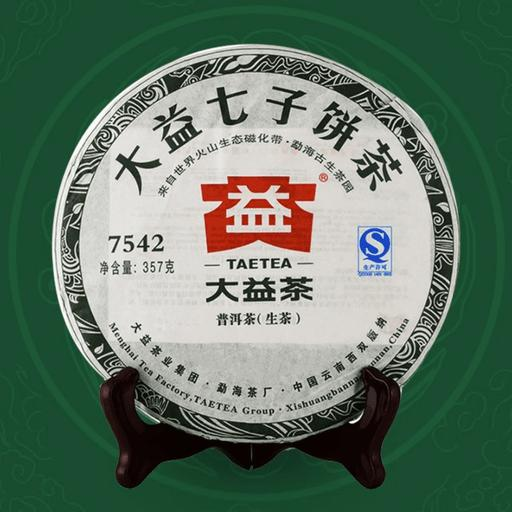
3.4 Best Overall Raw Pu-erh for Beginners: Menghai 7542 Raw Cake
The Menghai 7542 is the gold standard best raw pu-erh starter tea and the benchmark for all sheng pu-erh. If you want to try raw pu-erh and experience its signature bright, bitter-sweet character, this is the place to start.
It has balanced astringency, bright floral and honey notes, and a strong lingering sweet aftertaste. It’s also one of the best pu-erhs for long-term aging, so you can drink some now and store the rest for years.
- Processing: Sun-dried raw sheng, stone-pressed
- Flavor notes: Bright floral, honey sweetness, mild pleasant bitterness, long hui gan aftertaste
- Best for: People who enjoy green tea/oolong, long-term aging collectors
- Buyer tip: Drink 1–2 year old 7542 for a milder experience, or store it for 5+ years for smoother, deeper flavor.
3.5 Best Mild Raw: Early Spring Bulang Raw Pu-erh
If you want a gentler raw pu-erh that’s less likely to irritate your stomach, early spring Bulang raw pu-erh is the best pu-erh tea for beginners who prefer sheng but have mild digestive sensitivity.
Grown in the Bulang Mountains, it has lower bitterness and a thicker, sweeter mouthfeel than most entry-level raw pu-erh. It’s still stimulating compared to ripe pu-erh, but much more approachable for new sheng drinkers.
- Processing: Early spring hand-picked, sun-dried raw
- Flavor notes: Wild honey, forest greens, soft bitterness, thick mouthfeel
- Best for: People who want raw pu-erh but find standard 7542 too harsh
- Buyer tip: Drink it after meals to minimize stomach irritation, just like you would with green tea.
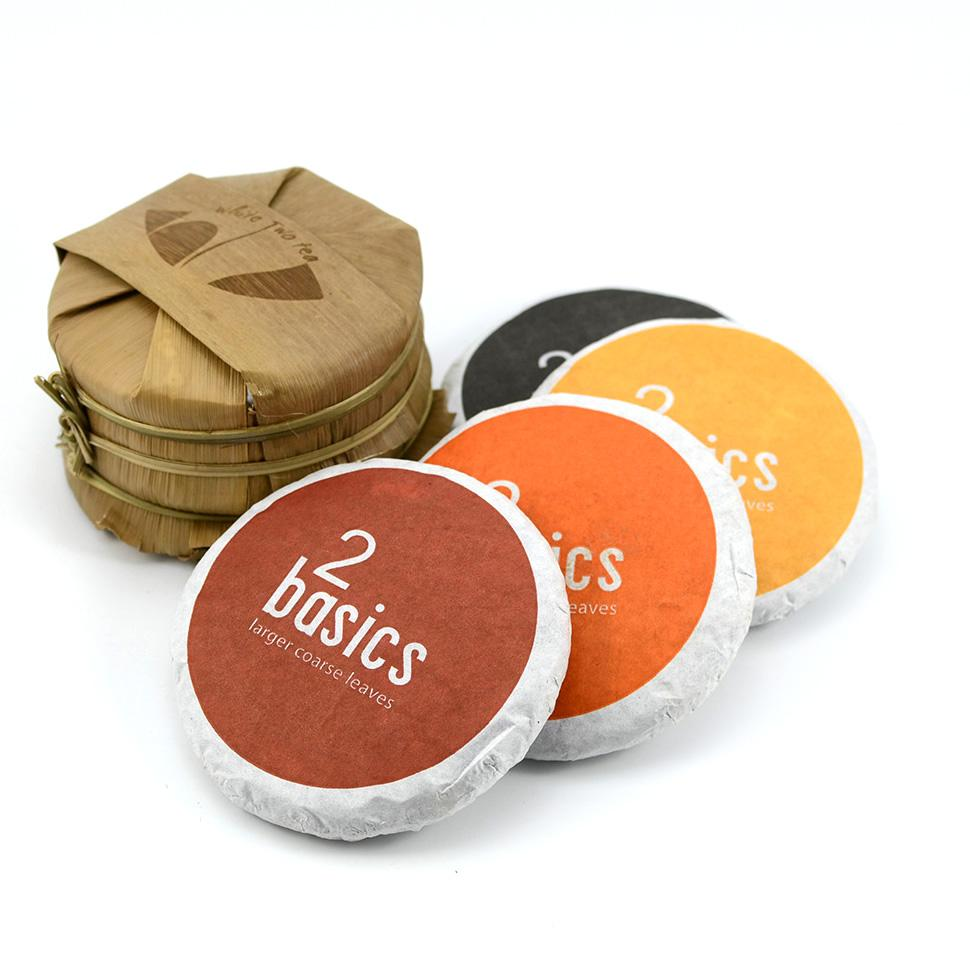
3.6 Best Way to Explore: Pu-erh Starter Sampler Pack
For anyone who wants to try both raw and ripe before committing to full cakes, a pu-erh tea sampler for beginners is the most cost-effective way to explore. Good samplers include 4–6 small portions of classic recipes and regional varieties, so you can figure out what you like before buying full cakes.
Look for samplers that include 7572 ripe, 7542 raw and 1–2 regional specialty teas for the best introductory experience.
- Includes: 4–6 x 10–15g portions of raw and ripe pu-erh
- Best for: Curious beginners who want to compare multiple varieties
- Buyer tip: Avoid samplers with more than 6 varieties — you won’t be able to taste the differences properly.
Quick Comparison Table
| Best Pu-erh Tea for Beginners Pick | Type | Core Flavor | Best For | Price Range | Value Rating |
| Menghai 7572 Ripe Cake | Ripe (Shu) | Malt, aged wood, smooth | First-timers, daily digestive use | $20–$30 / 357g | ⭐⭐⭐⭐⭐ |
| Grade 3 Loose Ripe Pu-erh | Ripe (Shu) | Smooth malt, mild earth | Convenience, office use | $10–$18 / 100g | ⭐⭐⭐⭐ |
| 7581 Pu-erh Tea Brick | Ripe (Shu) | Chestnut, earthy malt | Budget daily drinking | $12–$20 / 250g | ⭐⭐⭐⭐⭐ |
| Menghai 7542 Raw Cake | Raw (Sheng) | Floral, honey, mild bitter | Raw pu-erh benchmark, aging | $25–$40 / 357g | ⭐⭐⭐⭐⭐ |
| Early Spring Bulang Raw | Raw (Sheng) | Wild honey, soft bitterness | Mild raw option, sensitive palates | $30–$45 / 200g | ⭐⭐⭐⭐ |
| Pu-erh Starter Sampler Pack | Mixed Raw + Ripe | Multiple varieties | Exploring before buying full cakes | $15–$25 / set | ⭐⭐⭐⭐ |
四、Beginner Tips for Brewing & Storing Pu-erh Tea
Even the best pu-erh tea for beginners will taste bad if brewed incorrectly. Follow these simple rules for great results every time.
4.1 Basic Brewing Method
- Water temperature: Boiling water (205–212°F / 96–100°C) — pu-erh can handle high heat
- Tea amount: 5–7 grams per 100–120ml vessel
- Rinse first: Always do two quick 5-second rinses and discard the water. This removes dust and awakens compressed leaves.
- Steep time: Start with 10–15 seconds for the first infusion, adding 5–10 seconds per subsequent steep.
For the best all-purpose brewing vessel for pu-erh, see our guide to the best gaiwan for Chinese tea. A basic porcelain gaiwan works perfectly for both raw and ripe pu-erh.
4.2 Simple Storage Rules
- Store pu-erh in a cool, dry, well-ventilated place away from strong odors.
- Keep it out of direct sunlight and away from humidity.
- Do not store pu-erh in the fridge or in airtight plastic containers — it needs mild airflow to age properly.
4.3 What to Expect as a Beginner
- Ripe pu-erh will feel smooth and grounding, with noticeable digestive comfort 15–30 minutes after meals.
- Raw pu-erh will feel more stimulating, with a sweet aftertaste that lingers in your throat.
- If you’re new, start with one cup per day after meals and build up gradually.
Myth vs. Fact
Myth: All pu-erh tea tastes musty and earthy.
Fact: Musty off-flavors come from bad fermentation or wet storage, not pu-erh itself. The best pu-erh tea for beginners has clean malt and wood notes with zero mustiness. If your pu-erh smells like mold or wet basement, it’s low quality — that’s not how pu-erh is supposed to taste.
Myth: Raw pu-erh is always higher quality than ripe pu-erh.
Fact: They are different products for different purposes. Ripe pu-erh is designed for immediate daily drinking and digestive support; raw pu-erh is designed for long-term aging. Both can be high or low quality, and neither is inherently “better” than the other.
Myth: You need to spend hundreds on vintage pu-erh to get the real experience.
Fact: For beginners, $20–$30 benchmark factory teas like 7572 and 7542 are far better choices than expensive vintage pu-erh. They’re consistent, authentic and give you an accurate reference point so you can judge quality for yourself as you learn.
FAQ
Q1: What is the best pu-erh tea for beginners to start with?
For most new drinkers, the Menghai 7572 ripe pu-erh cake is the best pu-erh tea for beginners. It has clean, consistent fermentation, smooth non-bitter flavor, and is the industry benchmark that all other ripe pu-erhs are compared against. If you prefer raw tea, the Menghai 7542 is the standard starter raw pu-erh and gives you an authentic sheng experience.
Q2: Should beginners start with raw or ripe pu-erh?
Most beginners should start with ripe (shu) pu-erh. It’s gentler on the stomach, has zero bitterness, and is much more approachable for people used to other tea types. Raw (sheng) pu-erh can be bitter and stimulating, which many new drinkers find unpleasant at first. If you have a sensitive stomach, always start with ripe pu-erh.
Q3: What is the difference between 7542 and 7572 pu-erh?
7542 is the classic benchmark raw (sheng) pu-erh recipe from Menghai, with bright floral flavor, mild bitterness and good aging potential. 7572 is the classic ripe (shu) pu-erh recipe, with smooth malty flavor and excellent digestive benefits. Both are considered the best pu-erh tea for beginners because of their consistent quality and predictable, authentic flavor.
Q4: How much should I spend on my first pu-erh cake?
For your first pu-erh cake, $15–$30 is the ideal budget for an authentic Menghai benchmark cake like 7572 or 7542. This price range gets you genuine, good-quality factory tea that will give you an accurate first experience. There’s no need to spend more until you know what flavors and styles you prefer.
Q5: Can I drink pu-erh tea if I have a sensitive stomach?
Ripe pu-erh tea is generally safe for sensitive stomachs, and many people find it soothing and supportive of digestion. Raw pu-erh is more likely to cause irritation, especially on an empty stomach. For more tailored recommendations, see our full guide to the best Chinese tea for sensitive stomach and acid reflux.