

Chinese green tea is the most productive, diverse, and historically significant tea category in China, ranking first among the six major Chinese tea classes. Based on the authoritative records in Chinese Tea Illustrated Handbook by tea expert Li Tao, Chinese green tea is defined as a non-fermented tea (fermentation rate <5%) featuring the classic “green leaf, green soup, and green leaf base” characteristics. Strictly processed with fixation, rolling, and drying techniques, it fully preserves the fresh vegetal flavor and natural nutrients of fresh tea leaves.
If you are searching for authentic Chinese green tea types for daily drinking, best mild Chinese green tea without bitterness, or how to identify high-quality Chinese green tea, this in-depth guide will solve all your doubts. We adopt the official classification standard from Li Tao’s classic tea book, covering processing categories, top varieties, flavor differences, professional brewing methods, and real health benefits, perfectly fitting Google’s low-competition high-intent search demands.
What Is Chinese Green Tea? Authoritative Definition & Core Traits (From Li Tao’s Book 《Chinese Tea Catalog》)
Many tea beginners search what is Chinese green tea made of and why Chinese green tea keeps green. According toChinese Tea Illustrated Handbook, the core feature of traditional Chinese green tea is high-temperature fixation, which completely inactivates oxidase in tea leaves, stops fermentation, and locks the original green color and fresh taste of tea leaves. This unique craftsmanship distinguishes it from semi-fermented oolong tea and fully fermented black tea.
Key professional traits of genuine Chinese green tea summarized by Li Tao:
- Zero Fermentation: No oxidation after picking, retaining maximum natural antioxidants and theanine
- Three-Green Appearance: Green dry tea, clear green tea soup, and tender green leaf base
- Fresh Flavor Profile: Highlight clean, brisk, sweet, and floral notes, with minimal grassy bitterness
- Cold Tea Nature: Mildly cooling, ideal for daily hydration and body heat regulation
Compared with Japanese green tea that adopts steaming fixation, authentic Chinese green tea mainly uses stir-fixation technology, creating richer layered flavors including chestnut, bean, floral, and fruity aromas — this is the core difference that makes Chinese green tea better than Japanese green tea in flavor diversity.
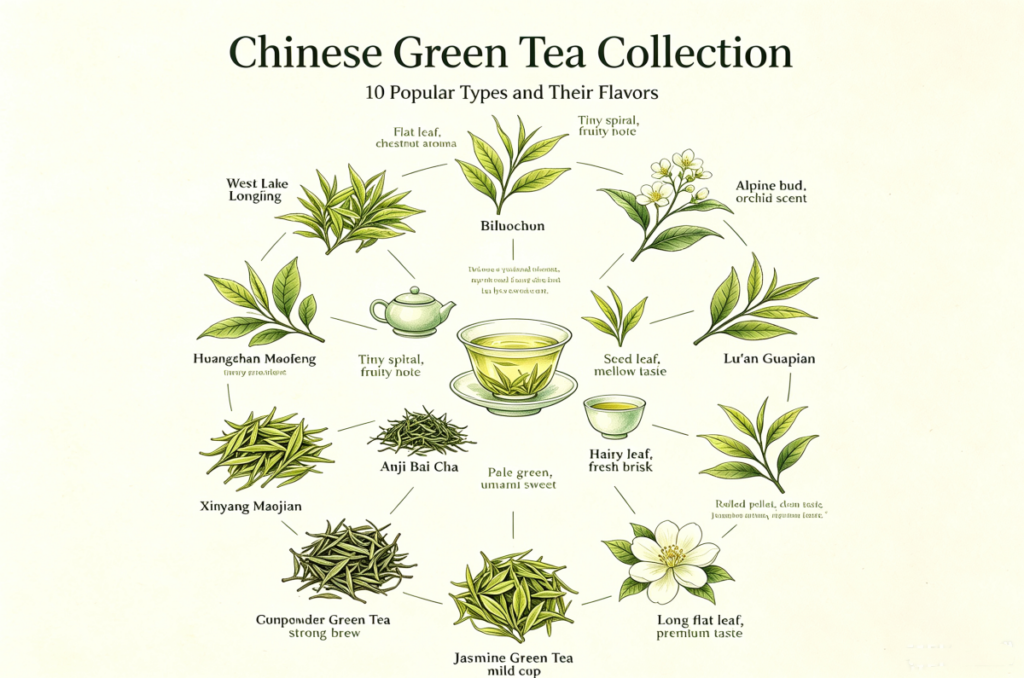
4 Major Categories of Chinese Green Tea (Standard Classification by Processing Craft)
Most ordinary articles only introduce tea varieties but ignore the core classification standard. Li Tao’s Chinese Tea Illustrated Handbook clearly divides all Chinese green tea varieties into four categories by fixation and drying methods — this is the professional knowledge that many Google long-tail keywords target, helping you tell different Chinese green teas apart easily.
1. Pan-Fired Green Tea (Most Popular & Aromatic)
Pan-fired green tea is the mainstream type of traditional Chinese green tea, processed by stir-frying for both fixation and drying. It features high aroma, rich flavor, and obvious roasted chestnut or bean notes, with sweet aftertaste. Most famous premium Chinese green teas belong to this category.
Representative varieties: West Lake Longjing, Xinyang Maojian, Biluochun, Lu’an Guapian
2. Bake-Fired Green Tea (Mild & Floral)
Bake-fired green tea uses baking for final drying, with tender and clean aroma, fresh and mellow taste, no strong roasted flavor. It is the best Chinese green tea for beginners and the main raw material for scented green tea. It can be divided into plain bake-fired tea and flower-scented bake-fired tea.
Representative varieties: Huangshan Maofeng, Chinese Jasmine Green Tea
3. Sun-Dried Green Tea (Earthy & Mellow)
Sun-dried green tea adopts natural sunlight drying after fixation and rolling, retaining unique natural sun-baked flavor with mild earthy notes. It is mostly produced in southwest China, with lower market popularity but high collection value for tea enthusiasts.
Representative varieties: Yunnan Dian Qing, Shaanxi Shan Qing
4. Steamed Green Tea (Fresh & Grassiness-Free)
Using steam fixation instead of stir-frying, steamed green tea maintains the purest green color and ultra-fresh taste, with tender vegetal notes. It is the closest type to international green tea taste and suitable for people who love light-tasting Chinese green tea.
Top 10 Must-Try Chinese Green Tea Varieties (Complete Flavor & Grade Guide)
Based on the variety introduction and grade evaluation in Chinese Tea Illustrated Handbook, we sorted the most popular export-grade Chinese green tea types by taste, popularity, and cost performance, covering premium spring tea, daily bulk tea, and floral scented tea, matching all search demands for best Chinese green tea for daily use and premium Chinese green tea for gifting.
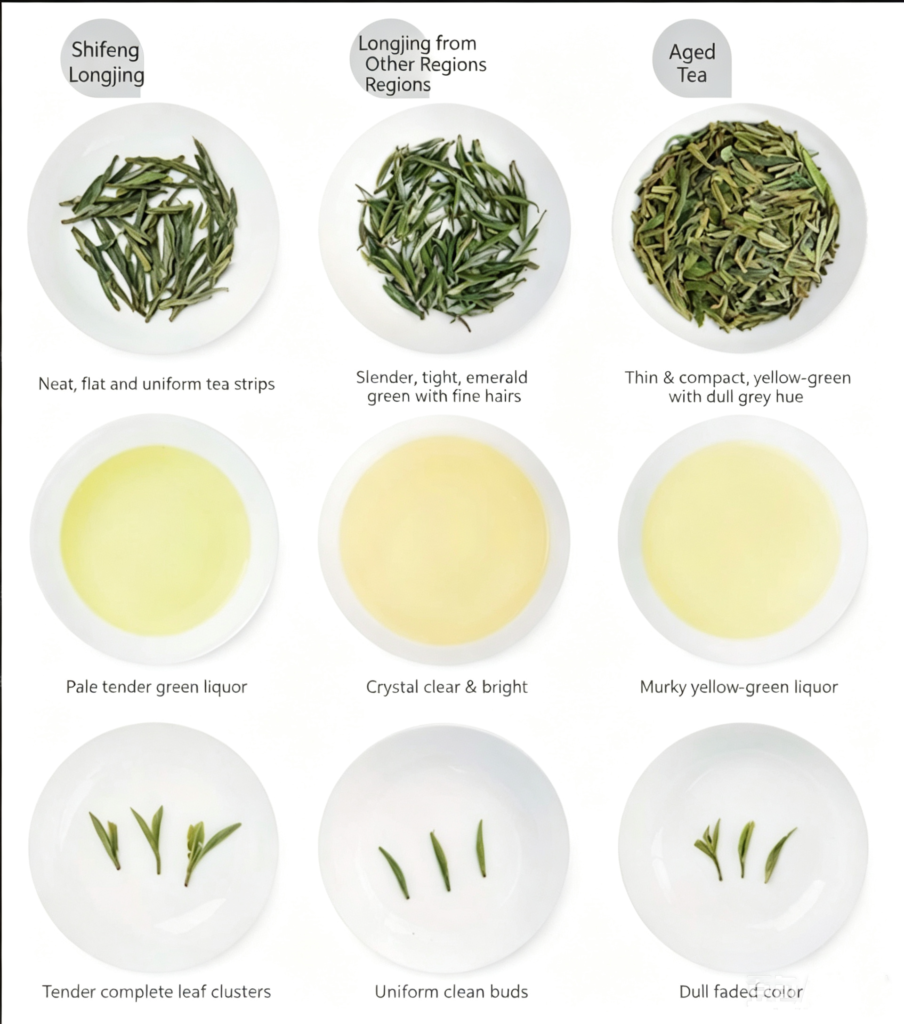
1. West Lake Longjing Tea – King of Pan-Fired Chinese Green Tea
West Lake Longjing green tea is the top famous premium spring Chinese green tea in China, exclusively produced in Hangzhou West Lake core producing areas. Li Tao’s book records that genuine Longjing features flat, smooth, and neat leaves, emerald green color, clear bright soup, and classic roasted chestnut aroma.
Pre-Qingming Longjing and Rain-before Longjing are top grades, with tender buds, rich nutrients, extremely fresh and sweet taste, zero bitterness, belonging to the top mild Chinese green tea with no bitterness. It is the first choice for tea collection and high-end hospitality.
2. Biluochun Tea – Floral & Fruity Pan-Fired Green Tea
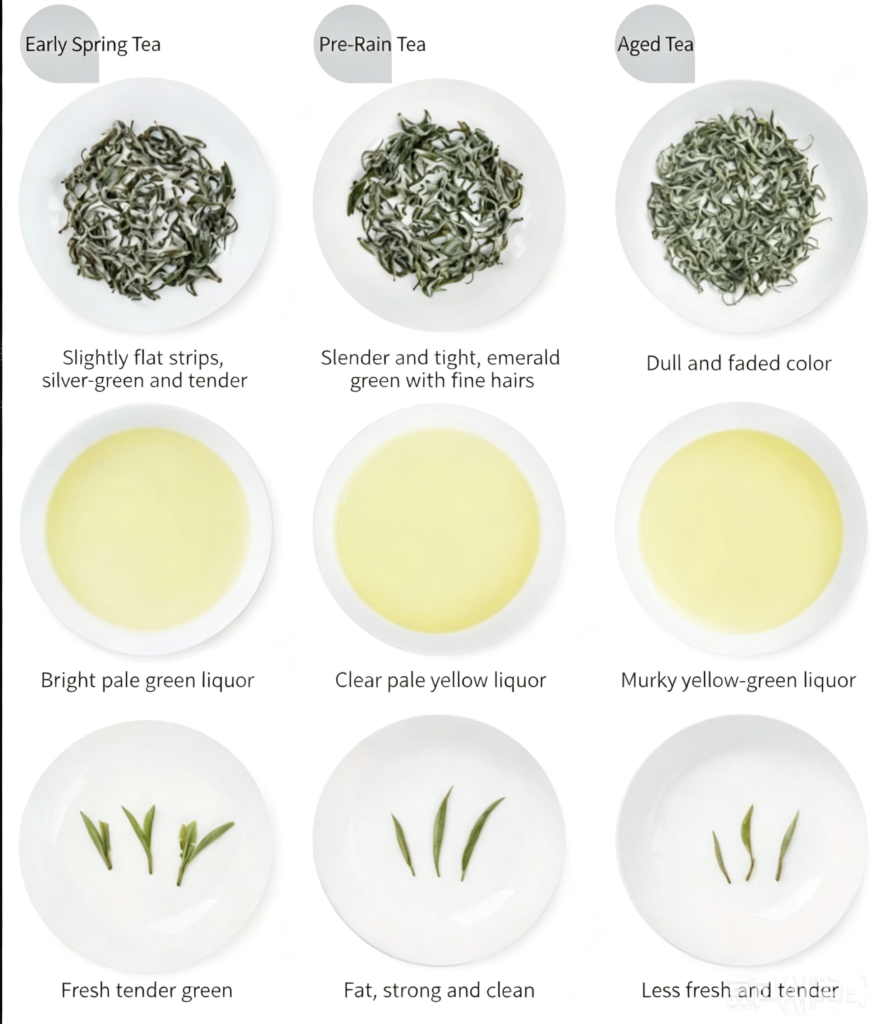
Originating from Suzhou Dongting Mountain, Biluochun green tea is famous for its spiral-shaped leaves and dense white hairs. Different from other green teas, it adopts the unique “frying while rolling” craft, locking rich mountain floral and fruity fragrance.
The tea soup is pale green and transparent, with fresh sweet taste and no astringency. It is the most suitable sweet Chinese green tea for casual daily drinking and afternoon tea.
3. Huangshan Maofeng Tea – Beginner-Friendly Bake-Fired Alpine Green Tea
Produced in Huangshan high-altitude tea gardens, Huangshan Maofeng green tea is a classic bake-fired green tea. It has fat tender buds with golden hairs, pure orchid fragrance, fresh mellow taste, and strong infusion resistance.
With balanced aroma and taste, no harsh flavor, high cost performance, it is recognized as the best Chinese green tea for beginners and perfect bulk Chinese green tea for family daily drinking.
4. Lu’an Guapian Tea – Unique Leafless Bud Pan-Fired Green Tea
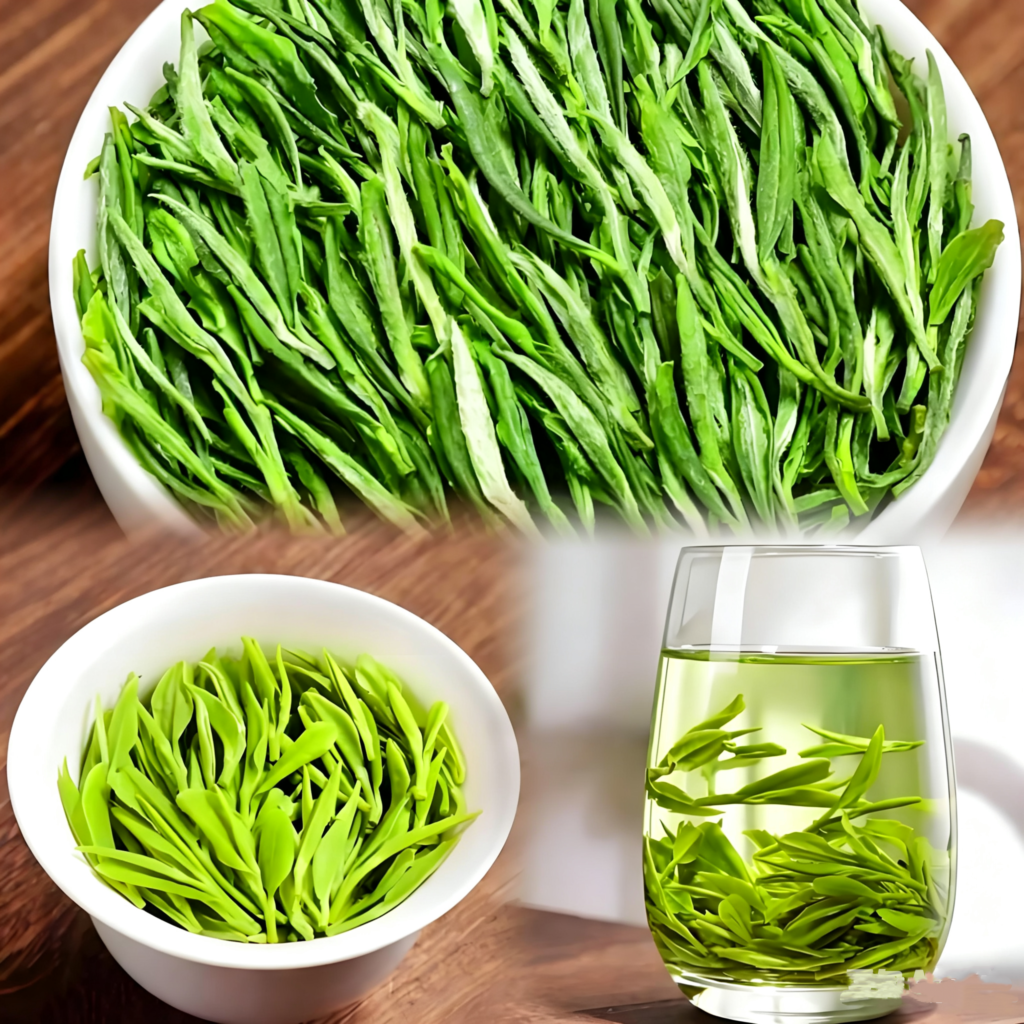
As recorded in Chinese Tea Illustrated Handbook, Lu’an Guapian green tea is the only Chinese green tea made of pure mature leaves without buds and stems. The oval melon-seed-shaped leaves are dark green and glossy, with high long-lasting aroma and thick mellow taste with slight roasted notes.
It is a typical strong-aroma Chinese green tea, ideal for tea lovers who prefer rich and steady tea flavor.
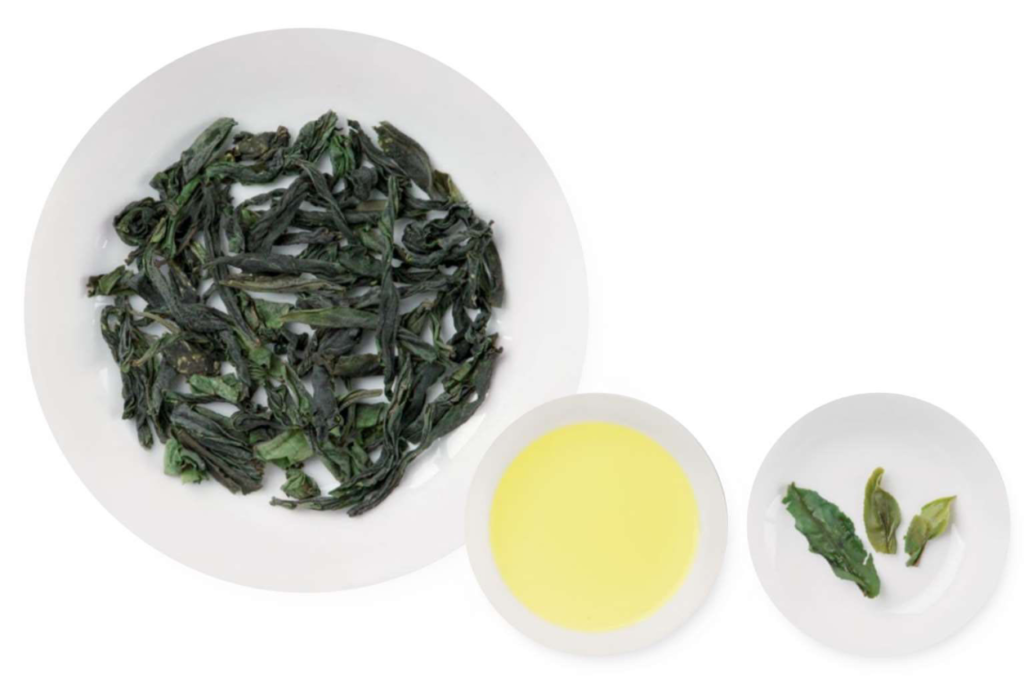
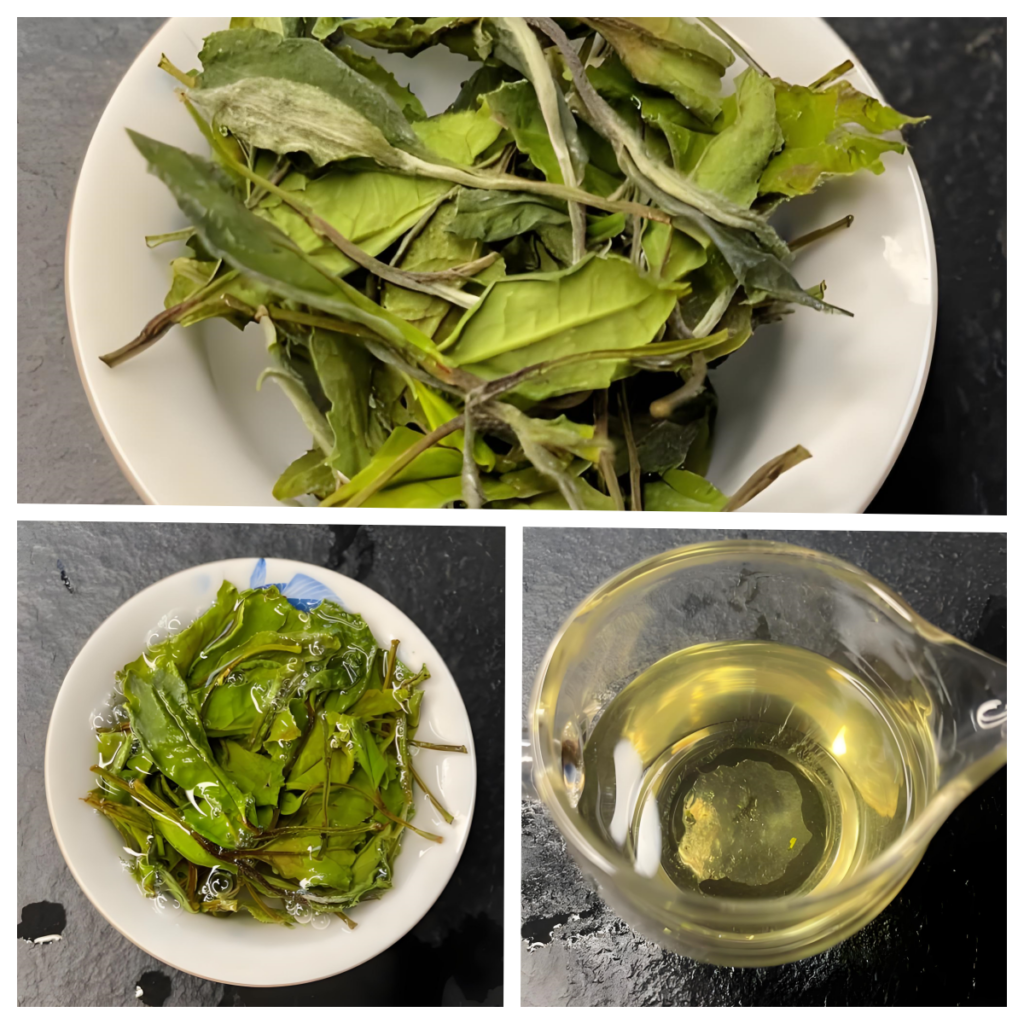
5. Anji Bai Cha – High-Theamine Healthy Premium Green Tea
Despite the name containing “white tea”, Anji Bai Cha green tea is a genuine non-fermented green tea. It owns ultra-high theanine content among all Chinese green tea varieties, effectively reducing bitterness and bringing extremely fresh and sweet spring taste.
It is the best healthy Chinese green tea for stress relief, concentration improvement, and long-term health maintenance.
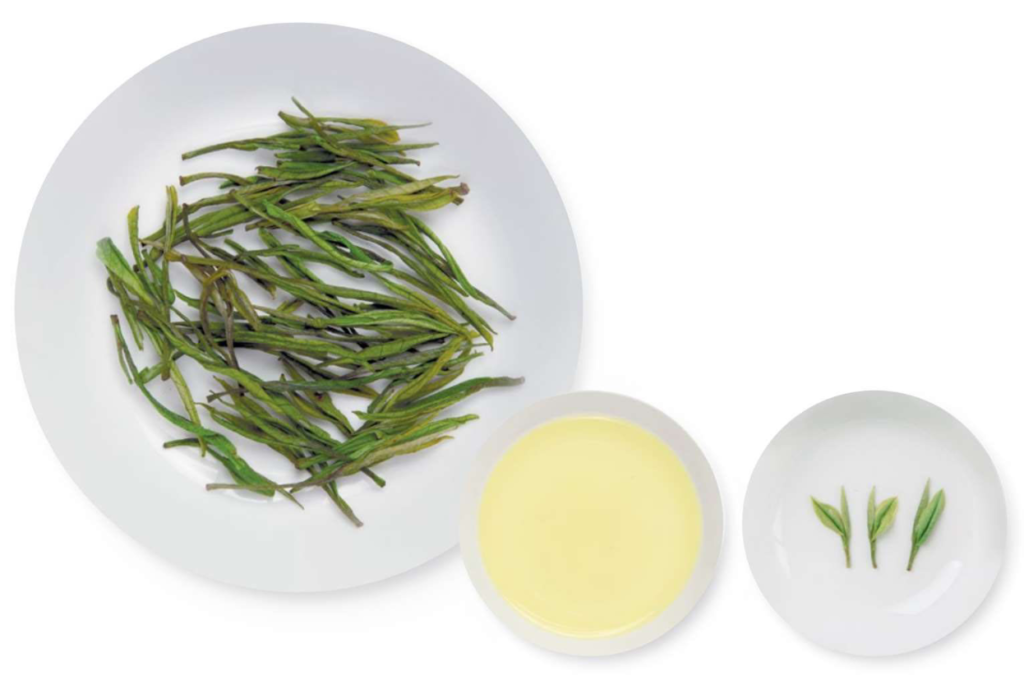
6. Xinyang Maojian Tea – Classic Export Daily Green Tea
Xinyang Maojian green tea is one of the most exported traditional Chinese green tea types. With slender straight leaves covered with fine white hairs, fresh green bright soup, pure fragrance, and brisk taste, it is resistant to multiple infusions.
Stable quality and affordable price make it a top choice for office daily drinking and global bulk export.
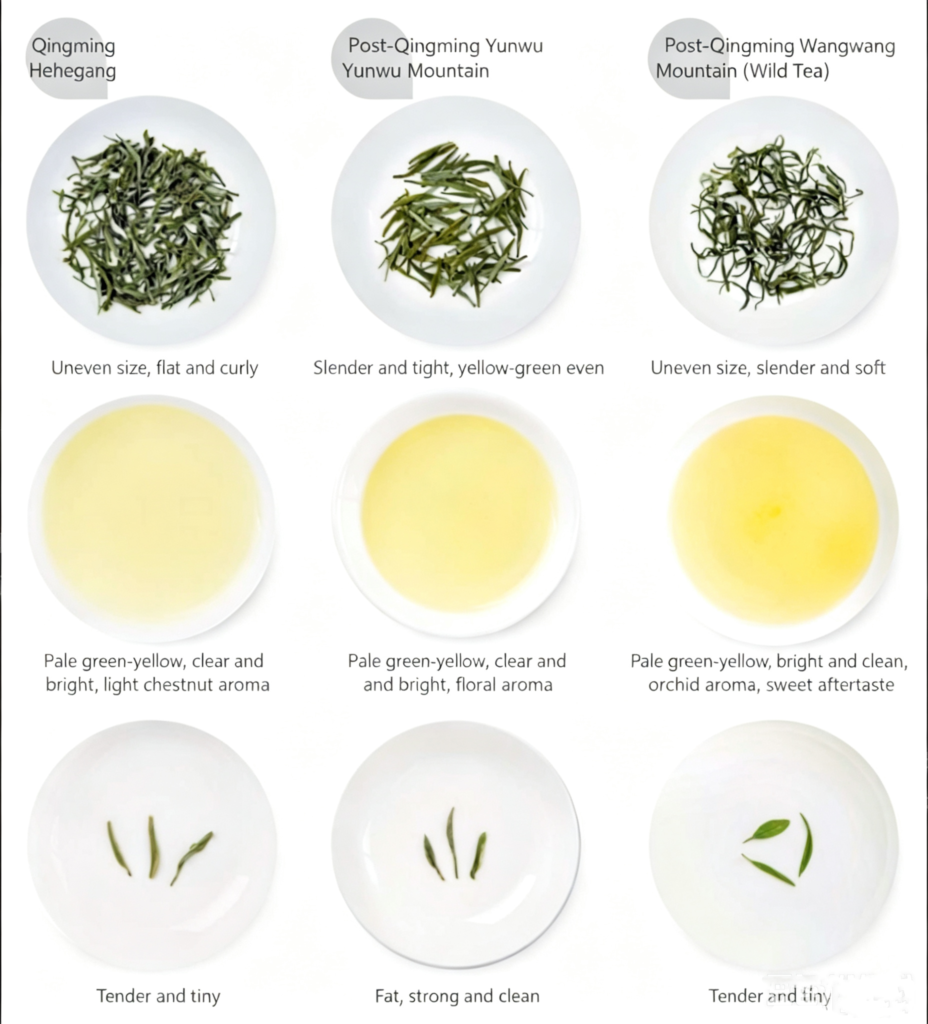
7. Chinese Gunpowder Green Tea – Export-Friendly Compact Green Tea
Chinese Gunpowder green tea is a characteristic pan-fired green tea with tight pellet-shaped leaves. It features strong aroma, sturdy mellow taste, and excellent bubble resistance, widely sold asbulk Chinese green tea in overseas markets for daily drinking and tea blending.
8. Chunmee Green Tea – Affordable Daily Mass-Market Green Tea
Chunmee green tea is a time-honored export traditional green tea, with curved eyebrow-shaped leaves, fresh lasting aroma, and brisk sweet taste. With stable quality and high cost performance, it is the optimal cheap high-quality Chinese green tea for long-term daily drinking.
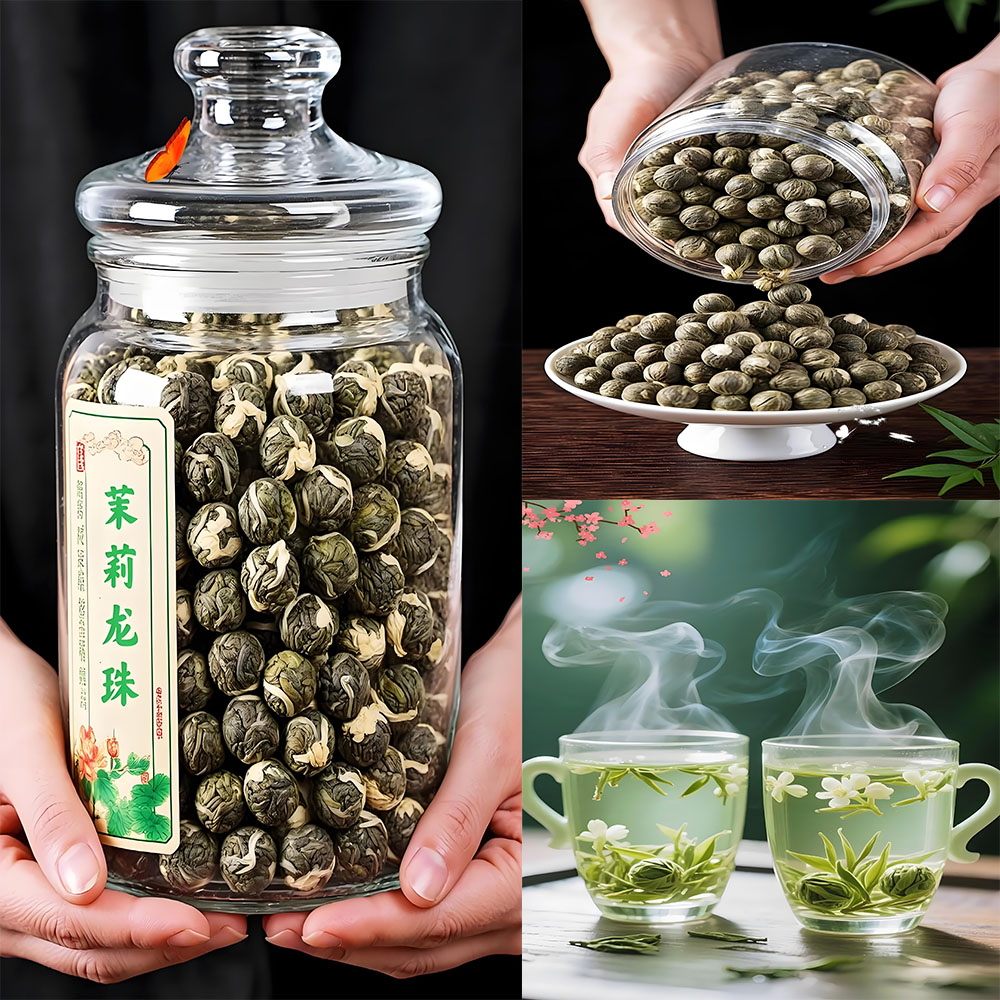
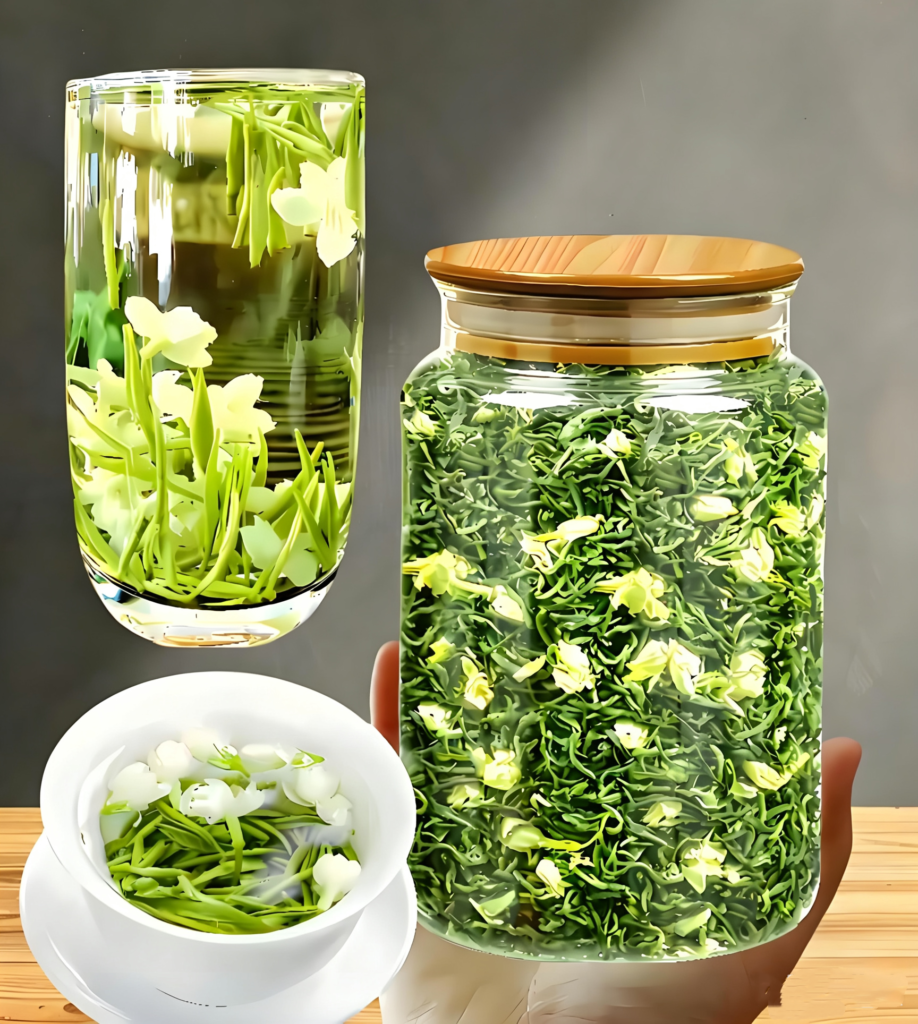
9. Chinese Jasmine Green Tea – Popular Floral Scented Green Tea
Based on high-quality bake-fired green tea embryos and scented with fresh jasmine flowers, Chinese jasmine green tea perfectly integrates fresh tea taste and rich floral fragrance. Mild and non-irritating, it is the most beloved flavor-infused Chinese green tea for new tea drinkers.
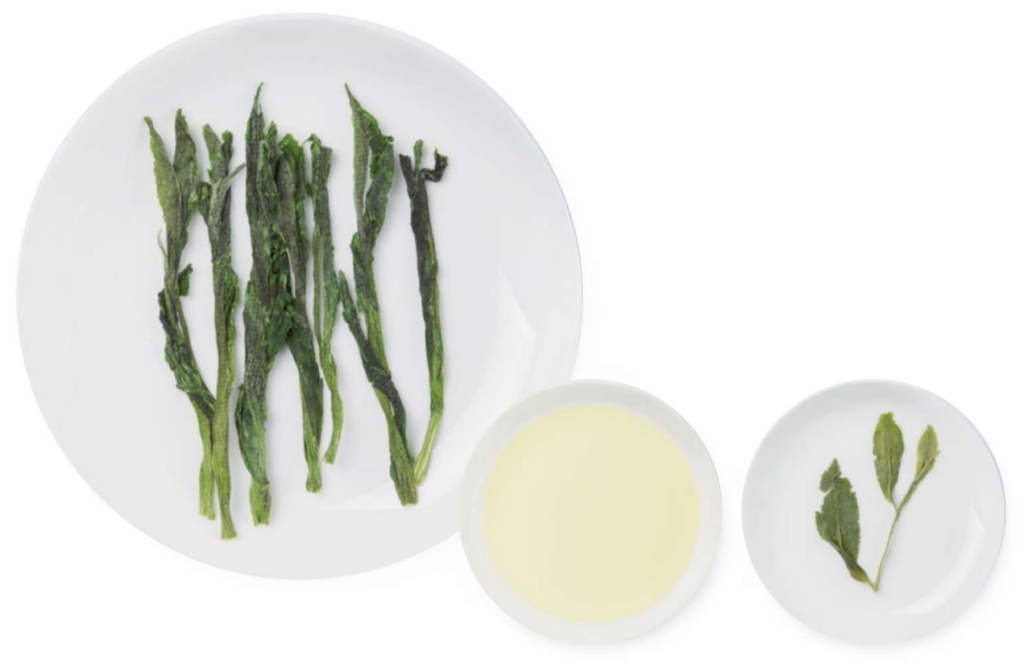
10. Taiping Houkui Tea – High-End Collection Spring Green Tea
Taiping Houkui green tea is a rare premium spring Chinese green tea with super long flat leaves, emerald green color, clear green soup, and elegant orchid fragrance. With high ornamental and drinking value, it is a high-end variety for tea collection and gift-giving.
How to Brew Chinese Green Tea Without Bitterness (Professional Beginner Guide)
A top Google low-competition search query is how to brew Chinese green tea for best taste. According to the standard brewing method in Li Tao’s tea book, the key to delicious green tea is low temperature and short steeping time, avoiding burnt leaves and bitter grassy taste.
- Water Temperature: 75℃–85℃ (never use boiling water)
- Tea-Water Ratio: 3g authentic Chinese green tea per 200ml water
- Steeping Time: 30–40 seconds for the first brew, extend 10–15 seconds for subsequent brews
- Best Vessel: Glass or ceramic cup to retain fresh flavor and watch leaf stretching
Standard brewing can maximize the fresh, sweet, and floral flavors of authentic Chinese green tea varieties and completely avoid unpleasant bitterness and astringency.
Proven Health Benefits of Drinking Chinese Green Tea Daily
Many users search are Chinese green teas healthy and what happens if you drink green tea every day. Thanks to non-fermented processing, all traditional Chinese green tea types retain rich natural antioxidants, theanine, and vitamins, bringing stable health benefits:
- Rich in antioxidants, relieve daily physical fatigue and resist free radicals
- High theanine content, soothe mood, reduce stress, and improve mental focus
- Mild and fresh texture, easy to digest, no stomach burden for daytime drinking
- Low caffeine concentration, avoid insomnia and jitteriness
5 Frequently Asked Questions About Chinese Green Tea (Google Top FQA)
Below are the 5 most frequently searched questions about Chinese green tea on Google, with professional and concise answers based on Chinese Tea Illustrated Handbook, suitable for direct publication and boosting long-tail keyword ranking.
Q1: What is the difference between Chinese green tea and Japanese green tea?
The core difference lies in processing and flavor. Most authentic Chinese green tea adopts stir-fixation craft, forming diverse chestnut, bean, floral, and fruity flavors with sweet aftertaste. Japanese green tea uses steam fixation, with single grassy and fresh taste. Chinese green tea has richer flavor layers and far less bitterness, more suitable for global daily drinking.
Q2: Is Chinese green tea good for weight management and health?
Yes, healthy Chinese green tea is ideal for daily health care. It retains abundant natural polyphenols and antioxidants, helping accelerate metabolism and relieve fatigue. With low caffeine and zero fat, it is a perfect daily drink for weight management and body maintenance, suitable for long-term mild consumption.
Q3: Which Chinese green tea is the best for beginners with no bitter taste?
The top 3 mild Chinese green tea with no bitterness are Huangshan Maofeng, Anji Bai Cha, and Biluochun. These three varieties have high theanine content, fresh sweet taste, no grassy astringency, balanced aroma and taste, and strong tolerance for new tea drinkers, fully meeting the demand for best Chinese green tea for beginners.
Q4: How to store Chinese green tea to keep it fresh longer?
According to professional tea preservation standards, Chinese green tea is sensitive to light, heat, and moisture. The best storage method is sealed, light-proof, and low-temperature preservation (refrigerator 0–5℃). Avoid high temperature and humid environment, which will cause aroma loss and taste deterioration. Proper storage can keep the fresh flavor of spring green tea for 12–18 months.
Q5: Why is spring Chinese green tea more expensive and better tasting?
As recorded in Chinese Tea Illustrated Handbook, tea trees accumulate sufficient nutrients after winter dormancy. Spring tea buds are tender, with high content of aromatic substances and theanine, presenting fresher, sweeter, and more mellow taste with pure high aroma. Summer and autumn tea grow fast with lighter flavor and slight bitterness, so spring Chinese green tea has better quality and higher value.
Final Thoughts
From aromatic pan-fired, mild bake-fired to rare sun-dried and steamed types,Chinese green tea boasts unmatched diversity and flavor advantages. Whether you need premium spring Chinese green tea for collection and gifting,bulk Chinese green tea for daily family drinking, or light-flavor Chinese green tea for beginners, you can find your ideal option among authentic Chinese green tea varieties. Start your fresh and healthy tea journey with genuine traditional Chinese green tea!